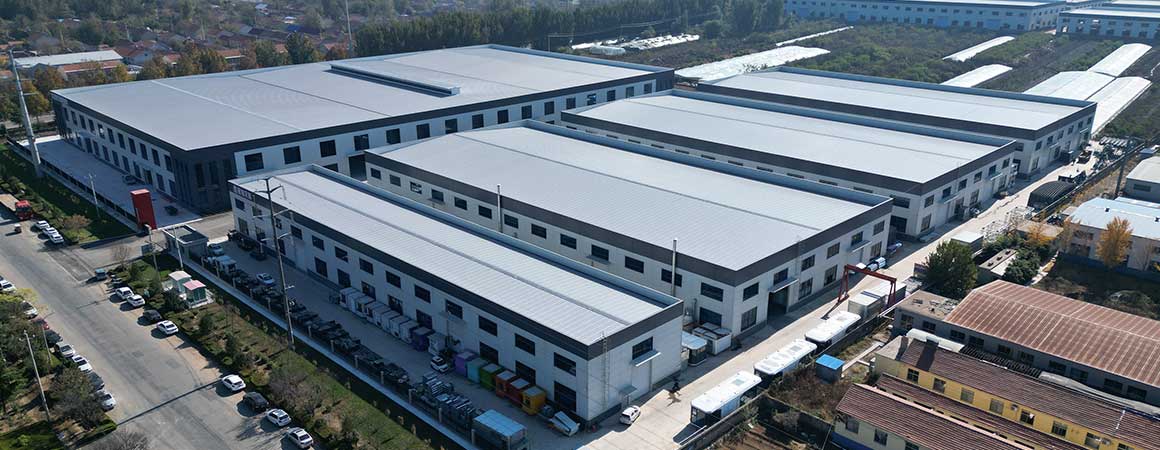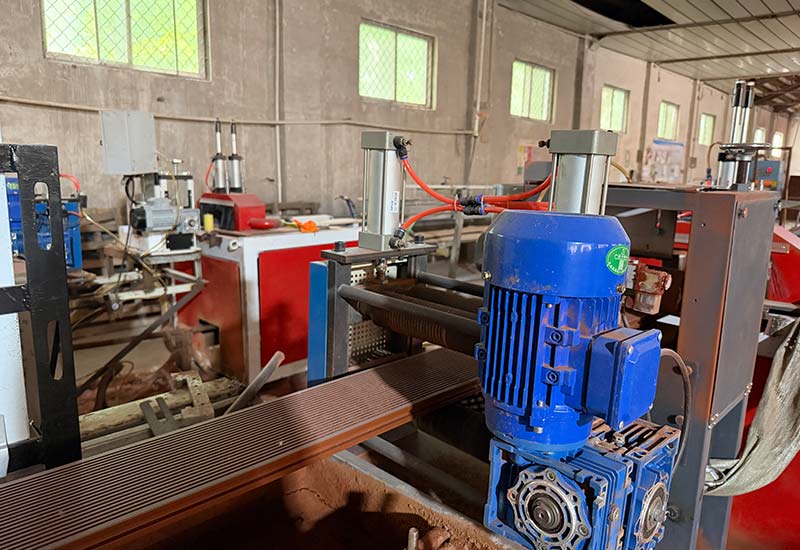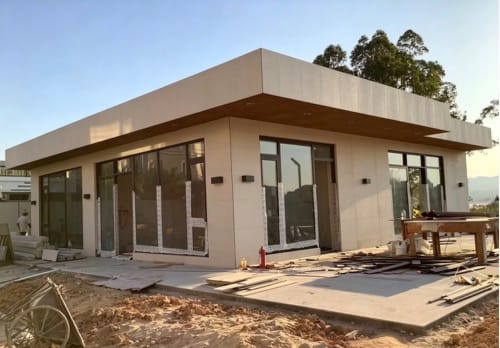
Hengyuan is a trusted WPC manufacturer focused on quality, innovation, and long-term outdoor performance. With advanced co-extrusion technology, our products offer strong waterproof, UV-resistant, and anti-corrosion durability for global applications.
Follow our latest updates and factory videos here:
👉 https://www.youtube.com/@HYWPC
Thank you for reading our blog.
Table of Contents
Choosing between WPC Solid Floor and SPC requires more than comparing price, appearance, or waterproof claims. Although both products are composite flooring materials, they are designed for different environments. WPC solid decking is generally intended for outdoor projects, while SPC is primarily used as rigid-core indoor flooring.
Key takeaways:
- WPC Solid Floor is better suited to terraces, gardens, balconies, pool surrounds, boardwalks, and other outdoor spaces.
- SPC flooring is mainly designed for indoor residential and light-commercial environments.
- Solid WPC decking offers stronger weather resistance and outdoor structural stability.
- SPC has a dense mineral-based core that performs well against indoor dents and daily wear.
- WPC typically provides a warmer, more natural appearance.
- Surface treatment, installation, drainage, subfloor condition, and product quality affect long-term performance.
- Buyers should compare application suitability rather than choosing solely by the lowest price.
What Is WPC Solid Floor?

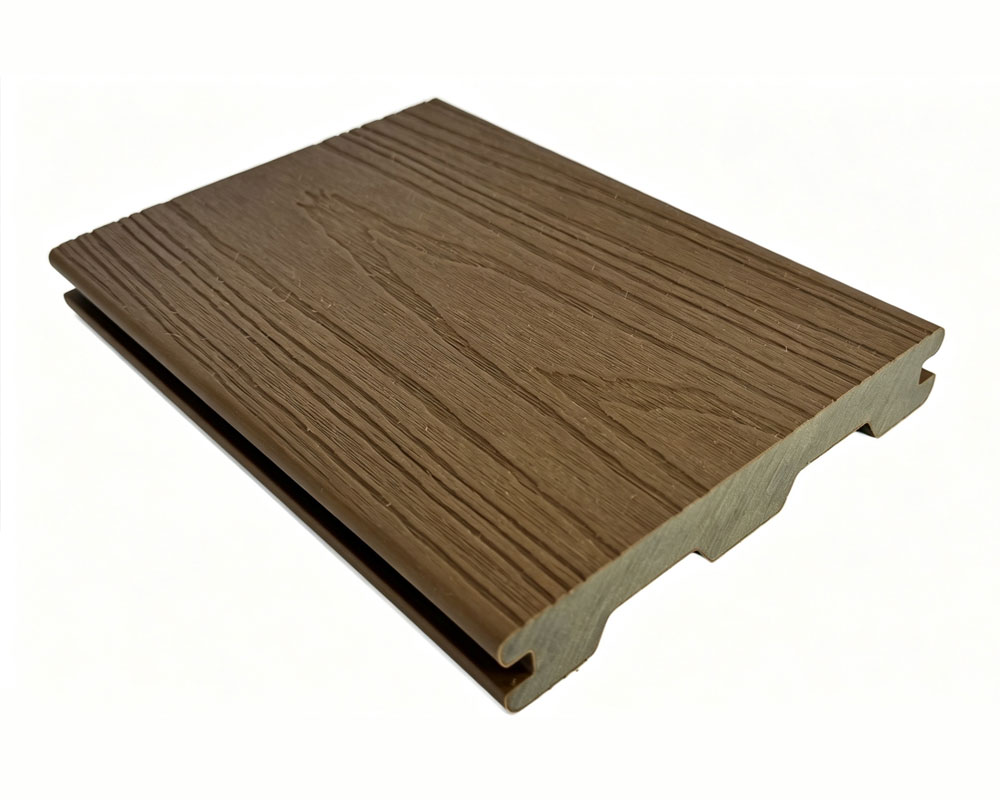
WPC Solid Floor is a dense wood-plastic composite decking material made by combining wood fibers or wood powder with thermoplastic polymers and functional additives. Unlike hollow decking, its core is substantially solid, providing a heavier and more robust profile.
Products in the WPC Solid Floor range are commonly used in outdoor spaces where resistance to moisture, insects, corrosion, and changing weather conditions matters.
Understanding the Solid-Core Structure
A solid-core profile contains more composite material than a hollow board of similar dimensions. This construction generally improves impact resistance, load distribution, and stability in demanding applications.
However, “solid” does not mean that every product has the same strength. Board dimensions, formulation, manufacturing control, joist spacing, and installation quality all affect performance.
Common Outdoor Applications
WPC solid decking can be specified for:
- Garden paths and landscaped areas
- Villa courtyards and patios
- Balconies and terraces
- Poolside platforms
- Resorts and outdoor dining areas
- Commercial walkways
- Public landscape projects
For a broader overview of available outdoor systems, buyers can explore the manufacturer’s WPC decking solutions.
What Is SPC Flooring?
SPC stands for Stone Plastic Composite or Stone Polymer Composite. It normally consists of a dense mineral-filled PVC core, a printed decorative layer, a wear layer, and sometimes an attached acoustic underlayment.
SPC is usually installed inside homes, offices, shops, hotels, and similar climate-controlled buildings. Its rigid core provides good dimensional stability and resistance to ordinary indoor indentation.
A Critical Difference Buyers Often Miss
The term “WPC flooring” is sometimes used for indoor wood-polymer rigid-core vinyl flooring. That product is different from the outdoor WPC Solid Floor manufactured as composite decking.
The Resilient Floor Covering Institute discusses WPC and SPC together as rigid-core resilient flooring. That comparison applies mainly to indoor flooring systems. Buyers should not assume that an indoor WPC vinyl plank and an outdoor solid composite deck board are interchangeable.
Why This Distinction Matters
Comparing products without defining their intended environment can lead to the wrong purchase. A rigid indoor plank may be waterproof at the material level but still lack the UV resistance, surface drainage, fixing system, and outdoor weathering performance required for an exposed terrace.
WPC Solid Floor vs SPC: Key Differences
The following table provides a practical comparison. Exact performance varies by manufacturer, product specification, and installation system.
| Comparison Factor | WPC Solid Floor | SPC Flooring |
|---|---|---|
| Primary application | Outdoor decking and landscaping | Indoor residential and commercial flooring |
| Core composition | Wood fiber, polymer, and additives | Mineral powder and PVC-based polymer |
| Typical structure | Thick solid composite profile | Thin multilayer rigid plank |
| Weather exposure | Designed for outdoor conditions | Usually intended for indoor use |
| UV resistance | Can include outdoor UV stabilizers | Varies; not normally designed for continuous exterior exposure |
| Moisture performance | Suitable for wet outdoor environments with drainage | Water-resistant or waterproof plank, but subfloor moisture still matters |
| Surface feel | More similar to outdoor timber decking | Harder and denser underfoot |
| Installation | Joists, clips, screws, and expansion gaps | Click-lock or adhesive installation over a prepared subfloor |
| Maintenance | Cleaning and periodic inspection | Sweeping and damp cleaning |
| Typical buyer | Contractor, landscaper, developer, distributor | Interior contractor, retailer, homeowner, property manager |
Which Material Handles Moisture Better?
Both products are frequently marketed as waterproof, but that term must be interpreted in context.
Outdoor Moisture Performance
WPC Solid Floor does not behave like untreated natural wood. A suitable composite formulation can resist rot, insect damage, and moisture-related deterioration. This makes it useful around pools, in gardens, and in humid climates.
Nevertheless, the decking system still requires drainage. Standing water, blocked gaps, inadequate ground clearance, or poorly positioned joists can reduce performance.
Indoor Water Resistance
SPC planks generally resist ordinary spills and surface moisture. This makes them popular in kitchens, entryways, and some commercial interiors.
However, waterproof flooring does not waterproof the entire building. Water can still enter joints, reach the subfloor, or become trapped beneath the flooring. Leaks and flooding must therefore be addressed separately.
Durability, Load and Impact Resistance
Durability should be evaluated according to the actual source of wear. Outdoor decking faces sunlight, rain, temperature changes, furniture movement, foot traffic, and sometimes concentrated loads. Indoor SPC faces chair movement, dropped objects, rolling loads, grit, and wear-layer abrasion.
Strength of WPC Solid Floor
Because of its dense profile, WPC Solid Floor is often selected for projects that require a stable outdoor walking surface. Its solid construction can make it more suitable than lightweight hollow boards for high-traffic or load-sensitive areas.
The board alone does not determine load performance. The supporting structure and joist spacing are equally important.
Questions to Ask About Load Performance
Before purchasing, ask the supplier for:
- Recommended joist spacing
- Board dimensions and weight
- Installation drawings
- Intended traffic level
- Suitable fastening system
- Project-specific load information
- Test reports available for the selected model
Dent Resistance of SPC
SPC has a rigid and dense core, which generally gives it good resistance to indentation. It may be a practical choice for indoor spaces with furniture, carts, or frequent foot traffic.
Its thin profile, however, depends heavily on a flat and stable subfloor. Unevenness can create movement, joint stress, or visible surface defects.
Comfort, Noise and Surface Feel
Comfort is not simply a matter of which material feels softer. The correct choice depends on whether the surface is indoors or outdoors and how people will use it.
Walking on Outdoor WPC Decking
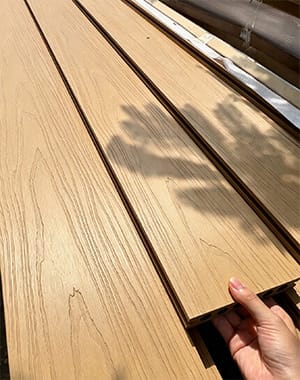
WPC Solid Floor provides a timber-inspired surface without the splintering commonly associated with poorly maintained natural wood. Embossed or grooved finishes can improve grip and create a more natural appearance.
For pool areas and exposed walkways, buyers should request slip-resistance information for both dry and wet conditions.
Walking on SPC Flooring
SPC feels relatively firm because of its stone-based rigid core. Attached underlayment may improve indoor sound and comfort, but the result depends on the complete flooring system.
SPC may be suitable for apartments and commercial interiors, although buyers should compare acoustic ratings rather than relying only on general marketing descriptions.
Appearance and Design Options
Both materials can reproduce wood-inspired colors and textures, but their visual objectives are different.
Natural Outdoor Appearance
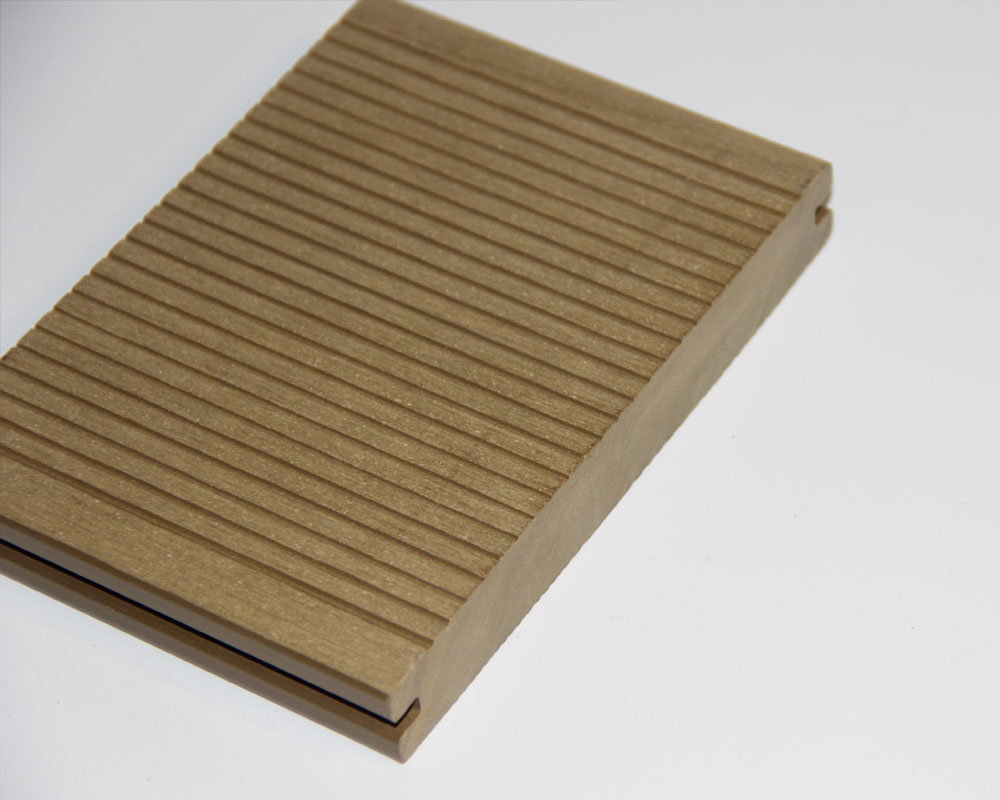
WPC Solid Floor is designed to resemble exterior timber decking. It is available in various colors, profile widths, grooves, embossing patterns, and surface treatments.
Outdoor buyers should consider how the color will coordinate with façades, fencing, landscaping, and surrounding architectural materials.
Interior Decorative Styles
SPC offers printed patterns that can imitate wood, stone, or tile. The printing layer allows extensive decorative variation for interior design.
When comparing samples, inspect pattern repetition, edge detail, embossing quality, gloss level, and color consistency under the project’s actual lighting.
Installation Differences Buyers Must Consider
Installation is one of the biggest distinctions in the WPC Solid Floor vs SPC comparison.
Installing WPC Solid Floor Outdoors
Outdoor composite decking is typically mounted on joists using clips, screws, or a specified fastening system. Expansion spacing, ventilation, drainage, and perimeter clearance must be included in the design.
Basic Installation Checks
Before installation begins:
- Confirm the base is stable and drains correctly.
- Follow the specified joist spacing.
- Keep consistent gaps between boards.
- Allow for thermal expansion at fixed edges.
- Use compatible corrosion-resistant fasteners.
- Avoid blocking ventilation beneath the deck.
- Follow the supplier’s installation instructions.
More product and installation questions can be reviewed through the company’s WPC technical FAQ.
Installing SPC Indoors
SPC is normally placed over a clean, dry, flat, and structurally sound indoor subfloor. Depending on the product, it may use a click-lock floating system or adhesive installation.
A visibly uneven base should be repaired before installation. Simply using a thicker underlayment is not always an appropriate solution because excessive movement can damage the locking joints.
Maintenance and Long-Term Ownership
Purchase price is only one part of the flooring budget. Cleaning, inspection, repair, replacement, and service conditions should also be considered.
Maintaining WPC Solid Floor
Routine care normally includes removing leaves, soil, and debris, washing the surface with appropriate cleaning products, and checking gaps and drainage routes. Abrasive tools or unapproved chemicals should be avoided.
Outdoor furniture should be moved carefully, and localized problems should be investigated before they affect surrounding boards or the supporting system.
Maintaining SPC Flooring
SPC usually requires regular sweeping or vacuuming and damp cleaning with compatible products. Grit should be removed because it can wear the decorative surface over time.
Protective pads beneath furniture can help reduce scratching. Buyers should also check whether damaged individual planks can be replaced without removing a large section of flooring.
WPC Solid Floor vs SPC Cost Considerations
A reliable cost comparison should include the complete installed system, not only the price per square meter.
What Affects WPC Project Cost?
The cost of WPC Solid Floor may include:
- Decking boards
- Joists or substructure
- Clips, screws, and edge trims
- Ground or base preparation
- Freight and packaging
- Cutting and installation labor
- Drainage provisions
- Expected waste allowance
A thicker solid profile can cost more than a lightweight hollow board, but it may be better suited to demanding applications.
What Affects SPC Project Cost?
SPC project costs may include planks, underlayment, moisture barriers, transition profiles, skirting, subfloor leveling, installation, and waste. Complex room shapes can increase cutting time and material loss.
For both materials, an unusually low quotation should be checked for missing accessories, reduced specifications, or limited quality documentation.
Which Flooring Should You Choose?
The simplest decision begins with the installation environment.
Choose WPC Solid Floor When:
- The project is outdoors or semi-outdoors.
- The surface will face rain, sunlight, or humidity.
- A timber-style deck appearance is required.
- The project includes a terrace, garden, pool area, or walkway.
- A solid composite profile is preferred for a demanding application.
- Low-maintenance outdoor performance is a priority.
Choose SPC When:
- The project is inside a climate-controlled building.
- A rigid click flooring system is required.
- The subfloor is flat and properly prepared.
- The design requires printed wood, stone, or tile effects.
- Indoor dent resistance and easy cleaning are important.
- The product is specified for the intended room and traffic level.
The Practical Answer
For an exterior deck, WPC Solid Floor is normally the more appropriate option. For an indoor room, SPC is usually the more relevant product. These materials overlap in some general benefits, but they are not direct substitutes across all environments.
How to Evaluate a WPC Solid Floor Supplier
Buyers should evaluate the manufacturer as carefully as the product.
Review Technical Documentation
Request specifications covering dimensions, composition, weight, surface treatment, recommended joist spacing, expansion requirements, installation method, and available test results. Documentation should match the exact model being quoted.
Inspect Samples
A physical sample allows buyers to check color, texture, edge quality, density, surface finish, and dimensional consistency. For large projects, compare samples under outdoor light and, where relevant, in wet conditions.
Confirm Customization and Supply Capability
Commercial buyers may require custom colors, lengths, profiles, packaging, or branding. Confirm minimum order quantities, sample lead times, production schedules, and shipping arrangements before placing a bulk order.
Hengyuan provides integrated WPC product development, manufacturing, and project support. Buyers can learn more about the WPC manufacturer or contact the team for product specifications and quotations.
Conclusion
The WPC Solid Floor vs SPC decision becomes much easier once the installation environment is clearly defined. SPC is a dense rigid-core product primarily used for indoor floors, while WPC solid decking is engineered for exterior terraces, gardens, walkways, pool surrounds, and commercial landscape projects.
For outdoor buyers, the most important factors are not merely color and unit price. Profile structure, weather resistance, slip performance, joist spacing, drainage, fastening, documentation, and supplier capability should all be reviewed. Selecting the correct WPC Solid Floor system from the beginning can reduce installation problems and deliver a safer, more consistent outdoor surface.
FAQ
Is WPC Solid Floor the Same as Indoor WPC Vinyl Flooring?
No. The WPC Solid Floor discussed here is a solid composite decking product intended mainly for outdoor applications. Indoor WPC rigid-core flooring is a multilayer resilient floor covering and has a different structure and installation method.
Is WPC Solid Floor Better Than SPC?
It is better for many outdoor projects because it is designed as a decking system. SPC is generally better suited to indoor rigid-flooring applications. The installation environment determines which product is more appropriate.
Can SPC Flooring Be Installed Outside?
Standard SPC should not be used outdoors unless its manufacturer explicitly approves that application. Continuous UV exposure, temperature changes, unsuitable substrates, and exterior moisture conditions may exceed its intended use.
Can WPC Solid Floor Be Used Around a Swimming Pool?
It can be suitable for pool surrounds when the selected model offers appropriate slip resistance and is installed with correct gaps, drainage, ventilation, and fasteners. Request wet-condition performance information before specifying it.
Does WPC Solid Floor Fade in Sunlight?
Outdoor composite products may experience some color change after exposure. The degree depends on the formulation, surface technology, climate, color, and UV resistance. Buyers should request samples and supplier guidance about expected weathering.
Is Solid WPC Better Than Hollow WPC Decking?
Solid boards generally contain more material and may provide better impact and load performance. Hollow decking can be lighter and more economical. The right choice depends on traffic, supporting structure, climate, span, and project budget.
How Long Does WPC Solid Floor Last?
Service life depends on material quality, formulation, UV exposure, climate, supporting structure, installation, drainage, and maintenance. Buyers should compare written warranty terms and technical evidence instead of relying on a single general lifespan claim.
What Information Should I Send for a WPC Quotation?
Provide the project area, application, installation location, climate, preferred color, board dimensions, estimated quantity, site drawings, delivery destination, and expected schedule. These details help the supplier recommend a suitable system and prepare a more accurate quotation.