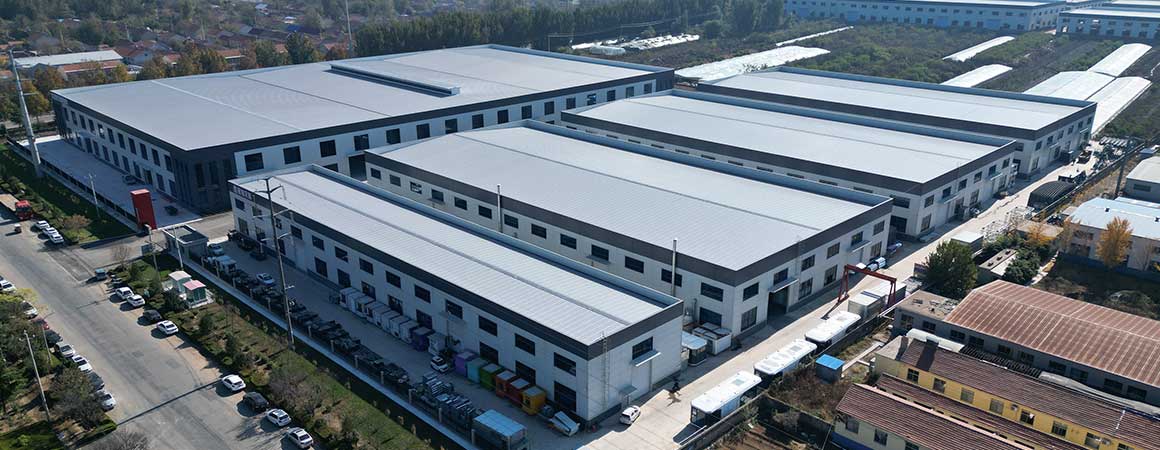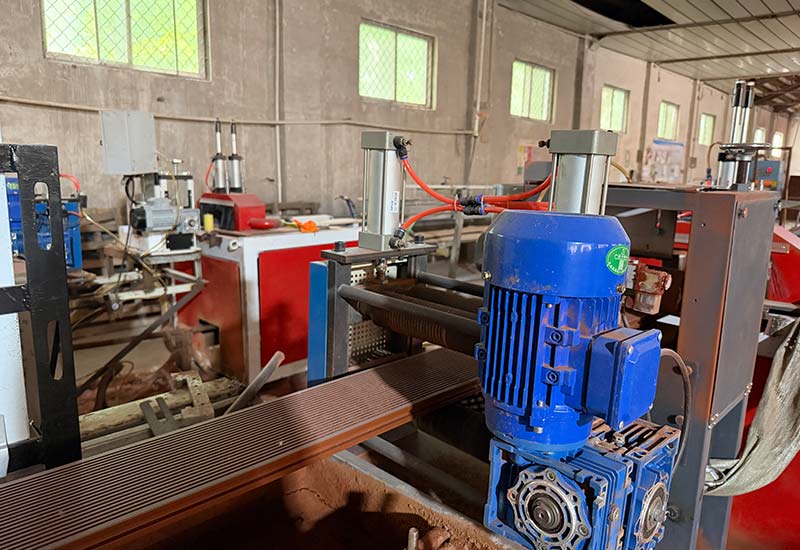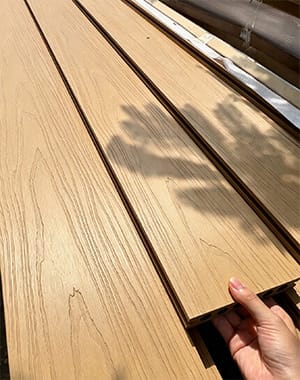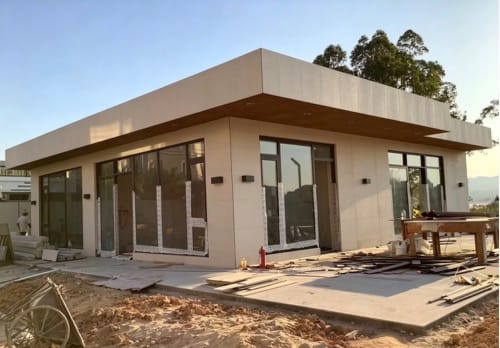
Hengyuan is a trusted WPC manufacturer focused on quality, innovation, and long-term outdoor performance. With advanced co-extrusion technology, our products offer strong waterproof, UV-resistant, and anti-corrosion durability for global applications.
Follow our latest updates and factory videos here:
👉 https://www.youtube.com/@HYWPC
Thank you for reading our blog.
Table of Contents
Introduction
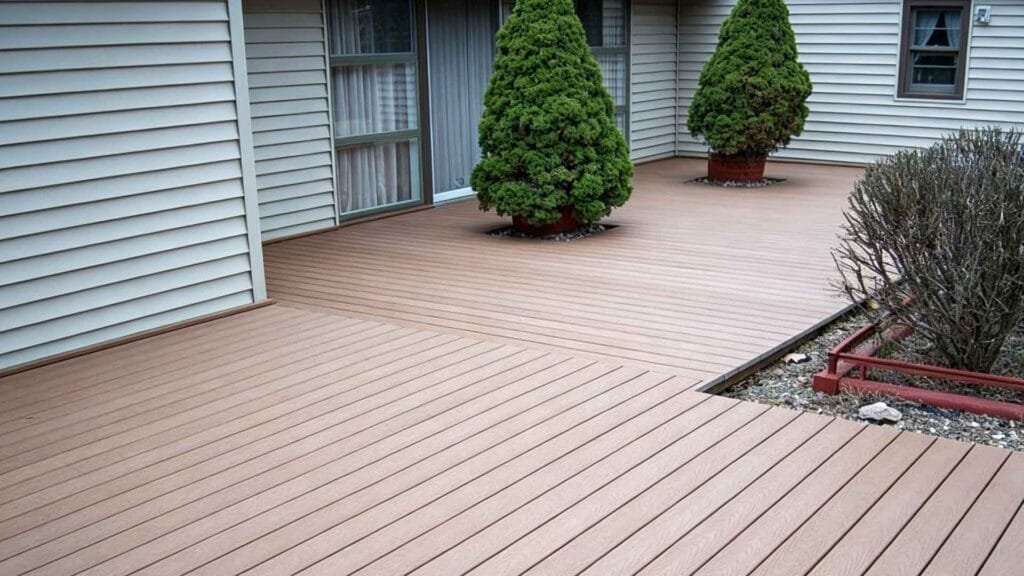
Outdoor living has become one of the fastest-growing segments in residential and commercial construction. Patios are no longer simple concrete slabs, balconies are increasingly designed as comfortable living extensions, and rooftop terraces have evolved into multifunctional leisure spaces. As expectations for outdoor environments continue to rise, so do the performance requirements for decking materials.
Traditional timber has served the industry for decades, but it also introduces familiar challenges such as moisture absorption, cracking, fading, insect damage, and continuous maintenance. These issues often increase the total ownership cost over the lifetime of a project.
This is where WPC Round Hole Floor has gained significant attention. By combining engineered composite technology with an optimized round-hole internal structure, it offers a practical balance between structural performance, aesthetic appeal, installation efficiency, and long-term durability.
Whether the project is a private garden, a hotel terrace, a poolside platform, or a commercial boardwalk, today’s designers are increasingly looking for decking systems that provide stable performance with minimal maintenance. WPC Round Hole Floor has become one of the preferred solutions because it addresses many of the limitations associated with conventional wood while delivering a natural appearance that complements modern architectural styles.
Instead of focusing solely on appearance, buyers today evaluate decking materials from multiple perspectives, including lifecycle performance, environmental sustainability, installation efficiency, maintenance costs, and design flexibility. This shift in purchasing priorities explains why composite decking continues to gain market recognition across residential, commercial, and public infrastructure projects.
The Evolution of Outdoor Decking Materials
Understanding why WPC Round Hole Floor has become increasingly popular requires looking at how outdoor flooring materials have evolved over time.
Stage One: Traditional Natural Timber
Natural hardwood and softwood were historically the first choices for outdoor decking because of their authentic appearance and wide availability.
However, wood naturally expands and contracts with moisture changes. Without regular sealing and maintenance, many timber decks gradually experience cracking, warping, mildew, and color fading.
Stage Two: Pressure-Treated Lumber
Pressure-treated wood improved resistance to insects and decay.
Although treatment extended service life, routine maintenance remained necessary, and surface weathering still occurred over time.
Stage Three: First-Generation Composite Decking
Composite decking introduced recycled wood fibers blended with polymers.
This significantly reduced maintenance requirements while improving moisture resistance compared with traditional lumber.
Stage Four: Modern Co-Extrusion WPC Round Hole Floor
Today’s advanced WPC Round Hole Floor incorporates co-extrusion technology, engineered internal structures, improved UV protection, and highly realistic wood grain embossing.
Instead of simply replacing wood, modern composite decking has become an engineered building material designed specifically for outdoor environments.
Understanding the Core Structure of WPC Round Hole Floor
One reason WPC Round Hole Floor performs differently from conventional decking is its engineered internal structure.
Rather than using a completely solid profile, manufacturers carefully design multiple circular cavities that optimize the relationship between strength and weight.
Outer Protective Layer
The outer layer is typically produced through co-extrusion technology.
This protective shell enhances resistance to scratches, moisture, UV exposure, stains, and surface wear while maintaining consistent appearance over time.
Composite Core
The inner core combines wood fibers with polymer materials.
This combination provides structural strength while reducing many problems commonly associated with natural timber.
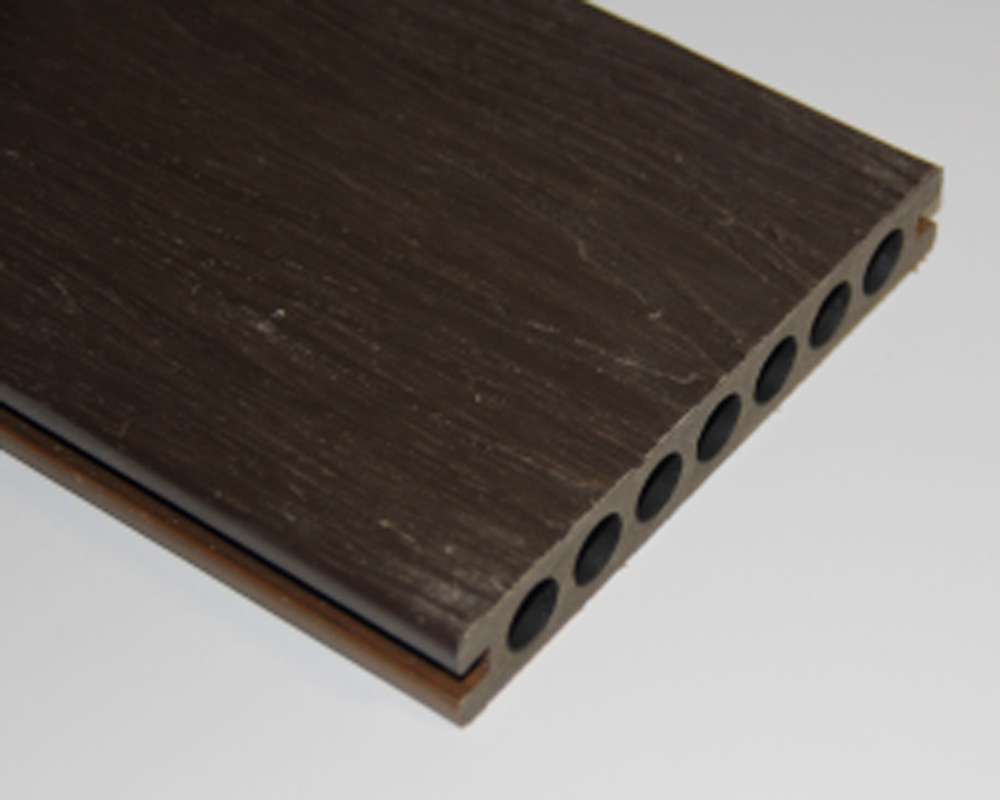
Seven Round Hole Design
The seven-round-hole profile improves weight distribution without sacrificing structural integrity.
It also contributes to easier transportation, improved drainage performance, and simplified installation.
What Materials Are Used in WPC Round Hole Floor?
Material composition directly influences product quality.
Premium WPC Round Hole Floor products generally include several key components working together.
Wood Fibers
Wood fibers provide the natural appearance and improve rigidity.
They also contribute to the authentic wood-like texture after embossing.
Polymer Materials
High-quality polymers increase moisture resistance, durability, and weather performance.
They also help reduce dimensional changes caused by humidity.
UV Stabilizers
UV stabilizers protect surface color from excessive fading under prolonged sunlight.
These additives become especially valuable in regions experiencing strong annual solar exposure.
Coupling Agents
Coupling agents improve bonding between wood fibers and polymer materials.
A stronger internal bond generally results in better long-term structural performance.
Pigments
Color pigments are carefully blended during production rather than simply painted onto the surface.
This helps create more consistent appearance throughout manufacturing.
Key Engineering Concepts Every Buyer Should Understand
Many purchasing decisions become easier once several basic engineering concepts are understood.
Co-Extrusion Technology
Co-extrusion refers to manufacturing two material layers simultaneously.
The outer shell serves as a protective barrier while the inner core provides structural strength.
Hollow Profile
A hollow profile reduces unnecessary weight while maintaining excellent rigidity.
This design also improves installation efficiency.
Surface Embossing
Embossing recreates realistic wood grain patterns directly on the decking surface.
Besides improving appearance, embossing also increases walking traction.
Thermal Expansion
All composite materials experience some expansion and contraction under changing temperatures.
Proper installation spacing allows the decking system to perform normally throughout seasonal weather cycles.
Load Distribution
The internal round-hole chambers distribute external loads more evenly across the board.
This contributes to stable structural performance in everyday use.
Manufacturing Process of Premium WPC Round Hole Floor
Manufacturing quality directly affects long-term product performance.
Although different factories may use slightly different production methods, the general process follows several standardized stages.
Raw Material Preparation
Wood fibers are carefully dried to achieve stable moisture content.
Polymer materials, additives, and pigments are proportioned according to production formulas.
High-Speed Mixing
All materials are blended until a homogeneous mixture is achieved.
Uniform mixing contributes to consistent product quality.
Extrusion Forming
The mixed material enters an extrusion system where pressure and temperature shape the decking profile.
The seven-round-hole internal structure is formed during this stage.
Co-Extrusion Protection
For co-extruded products, the protective outer layer is simultaneously bonded to the composite core.
This integrated process produces a durable surface without additional coatings.
Cooling and Calibration
After extrusion, boards pass through cooling equipment that stabilizes dimensions.
Accurate calibration ensures consistent product sizes.
Surface Embossing
Advanced rollers create realistic three-dimensional wood grain textures.
Different embossing patterns allow manufacturers to offer various decorative finishes.
Cutting and Quality Inspection
Finished boards are cut according to customer specifications before undergoing dimensional, appearance, and structural inspections.
Only qualified products proceed to packaging.
Common Surface Finishes Explained
Different surface finishes create different visual effects and practical performance.
Normal Surface
A clean and uniform finish suitable for modern architectural styles.
Its simple appearance complements minimalist outdoor spaces.
Brushed Surface
Brushed finishes introduce subtle texture that resembles weathered natural timber.
They create a rustic visual effect without sacrificing durability.
3D Embossed Surface
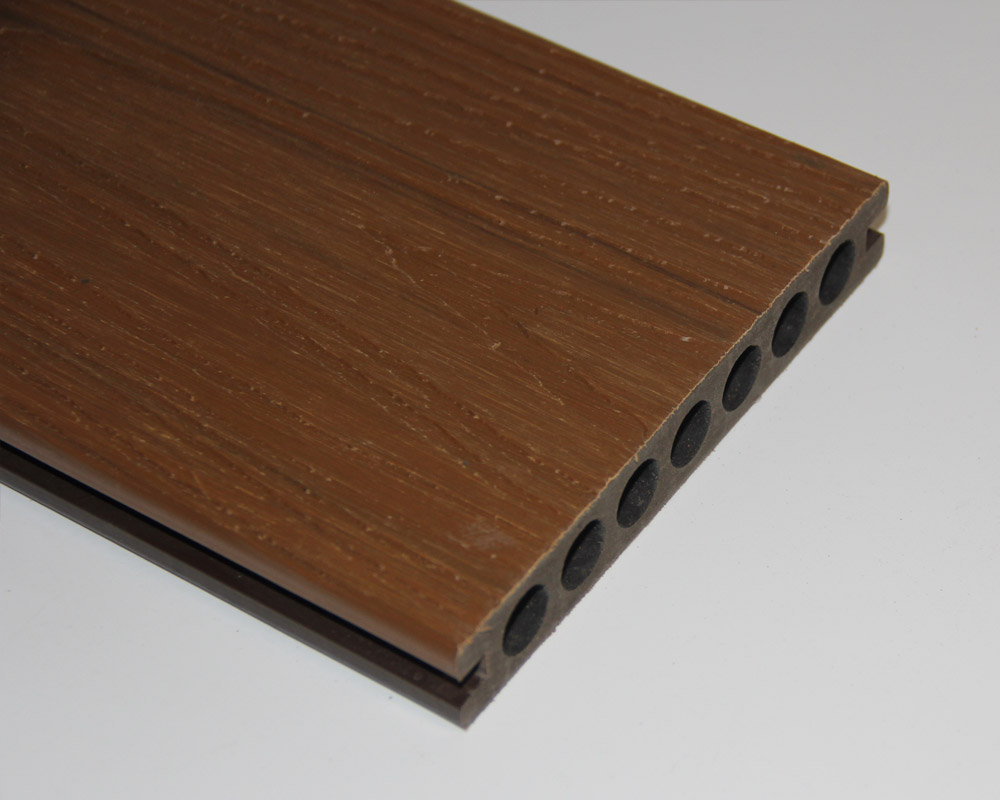
Three-dimensional embossing produces the most realistic wood appearance.
The deeper grain also enhances tactile experience and slip resistance.
How Co-Extrusion Improves Outdoor Performance
Co-extrusion technology has become one of the most significant developments in composite decking.
Enhanced UV Resistance
The protective shell reduces the impact of prolonged sunlight on surface appearance.
This helps maintain color consistency throughout outdoor use.
Better Stain Resistance
Everyday dirt is generally easier to remove from co-extruded surfaces.
Routine cleaning usually requires only water and mild detergent.
Improved Scratch Protection
The protective layer provides additional resistance against surface abrasion caused by furniture or foot traffic.
Lower Moisture Absorption
Reduced moisture penetration contributes to dimensional stability and cleaner long-term appearance.
Comparing Four Professional WPC Round Hole Floor Product Solutions
Although all four products belong to the WPC Round Hole Floor family, each has been optimized for different project priorities.
| Product | Primary Advantage | Recommended Projects |
|---|---|---|
| 3D Embossed WPC Decking | Premium wood appearance | Residential gardens, villas, patios |
| Heavy Duty WPC Decking | High structural strength | Commercial walkways, public spaces |
| Outdoor Composite Decking | Balanced overall performance | Multi-purpose outdoor flooring |
| UV Resistant WPC Decking | Long-term color stability | High-sunlight environments |
Rather than competing with one another, these products complement different construction requirements.
Selecting the appropriate series depends on project conditions, expected pedestrian traffic, environmental exposure, and aesthetic preferences.
How to Match WPC Round Hole Floor to Different Outdoor Projects
Every outdoor project has unique functional requirements.
Residential Patio
Homeowners often prioritize aesthetics, comfort, and low maintenance.
3D Embossed WPC Decking provides realistic wood texture while requiring very little ongoing care.
Commercial Walkway
Commercial projects require higher structural stability because of continuous pedestrian traffic.
Heavy Duty WPC Decking offers greater load-bearing capability for these demanding environments.
Rooftop Garden
Weight becomes an important consideration for elevated structures.
Outdoor Composite Decking provides an effective balance between lightweight construction and structural reliability.
Poolside Area
Pool surroundings require moisture resistance and slip performance.
Co-extruded products with embossed surfaces perform particularly well in these conditions.
Coastal Applications
Salt air and strong sunlight create challenging outdoor environments.
UV Resistant WPC Decking helps maintain appearance under prolonged UV exposure while resisting moisture-related deterioration.
Industry Trends Driving the Growth of Composite Decking
Several long-term industry trends continue supporting the adoption of WPC Round Hole Floor worldwide.
Sustainable Construction
Architects increasingly specify environmentally responsible building materials.
Composite decking contributes to sustainable construction by reducing dependence on solid hardwood resources.
Low-Maintenance Living
Modern homeowners increasingly value products requiring minimal upkeep.
Composite decking aligns well with this lifestyle preference.
Outdoor Living Expansion
Outdoor kitchens, entertainment areas, rooftop lounges, and landscape platforms continue expanding globally.
This creates growing demand for durable decking materials.
Commercial Landscape Design
Hotels, resorts, restaurants, shopping centers, and public parks increasingly require flooring materials capable of maintaining attractive appearance under continuous use.
Modern WPC Round Hole Floor products meet these expectations while simplifying long-term maintenance planning.
International Standards and Quality Certifications for WPC Round Hole Floor
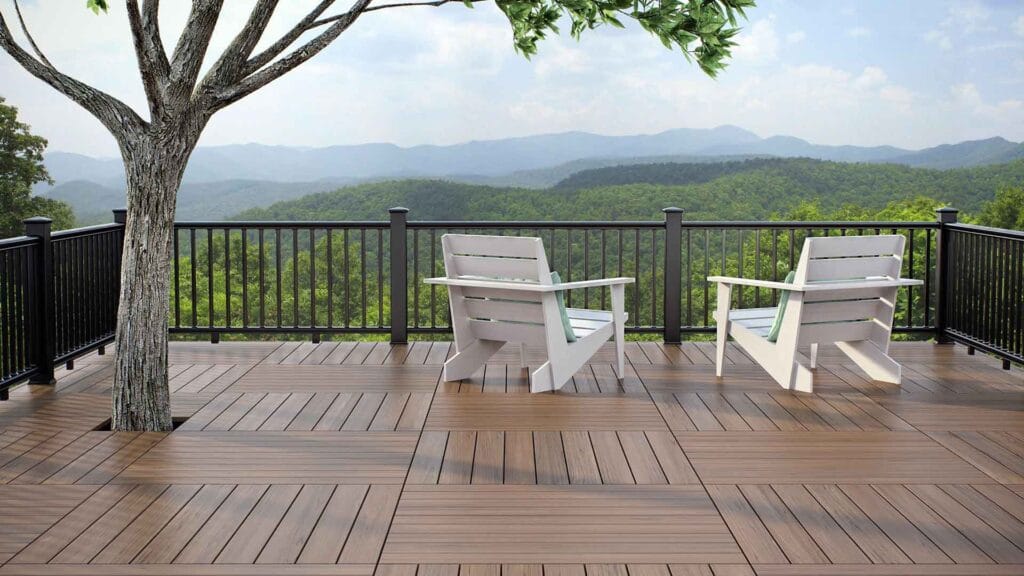
When sourcing composite decking for residential or commercial projects, product appearance is only one aspect of quality. Professional buyers also evaluate compliance with recognized international standards that reflect manufacturing consistency, mechanical performance, environmental responsibility, and product safety.
Although certification requirements vary by country and project type, understanding these standards can help buyers make more informed decisions.
ISO 9001 Quality Management System
ISO 9001 focuses on quality management throughout the manufacturing process.
Manufacturers operating under this system generally implement standardized procedures for raw material control, production monitoring, inspection, and continuous improvement. While ISO 9001 does not certify the decking itself, it demonstrates that the factory follows an internationally recognized quality management framework.
ISO 14001 Environmental Management
As sustainability becomes increasingly important in the building materials industry, many composite decking manufacturers also implement ISO 14001 environmental management systems.
This standard emphasizes responsible resource utilization, waste reduction, pollution prevention, and continual environmental improvement during manufacturing.
CE Compliance
For projects serving European markets, CE-related requirements may be relevant depending on the intended application and local regulations.
Compliance helps demonstrate that products meet applicable European safety and performance requirements where required.
ASTM Testing Standards
Various ASTM standards are commonly referenced during product testing, including evaluations related to:
- Flexural strength
- Water absorption
- Impact resistance
- Surface durability
- Slip performance
- Weather resistance
Testing methods may differ according to project specifications and regional requirements.
EN Performance Standards
European EN standards are also frequently used to evaluate outdoor decking products, particularly regarding mechanical performance, dimensional stability, and long-term durability.
Professional contractors often request supporting test reports before approving materials for large-scale projects.
Understanding Mechanical Performance
Many buyers focus only on appearance, but engineering performance is equally important.
Several mechanical properties influence how a WPC Round Hole Floor performs over many years.
Flexural Strength
Flexural strength measures how well a decking board resists bending under load.
Higher flexural performance contributes to better stability, especially when recommended joist spacing is followed.
Impact Resistance
Outdoor flooring may occasionally experience dropped tools, furniture movement, or other unexpected impacts.
Good impact resistance helps preserve structural integrity during normal use.
Dimensional Stability
Temperature and humidity naturally cause building materials to expand and contract.
Well-engineered composite decking minimizes these dimensional changes, reducing the likelihood of deformation after installation.
Surface Wear Resistance
Commercial environments often experience continuous pedestrian traffic.
A durable wear layer helps preserve appearance even after years of daily use.
Environmental Benefits of WPC Round Hole Floor
Environmental responsibility has become an important purchasing consideration across global construction industries.
Composite decking supports sustainable development through several practical advantages.
Reduced Demand for Natural Hardwood
Traditional hardwood decking requires harvesting mature trees.
Composite materials help reduce dependence on virgin timber resources by incorporating recycled wood fibers.
Efficient Material Utilization
Modern manufacturing processes maximize material utilization while reducing production waste.
Many production scraps can also be reprocessed during manufacturing under appropriate quality controls.
Long Service Life
Durable products generally require less frequent replacement.
Extending product lifespan reduces material consumption over the life of a building project.
Lower Maintenance Requirements
Because composite decking typically does not require repeated painting or sealing, fewer maintenance chemicals are used throughout its service life.
Design Flexibility for Modern Architecture
Architectural design continues evolving toward cleaner lines and multifunctional outdoor spaces.
WPC Round Hole Floor complements these trends through its versatility.
Contemporary Residential Design
Minimalist homes often feature neutral-colored decking that integrates with glass railings, aluminum structures, and modern landscaping.
Light-grey and silver-grey finishes have become increasingly popular in these applications.
Traditional Landscape Design
Projects emphasizing natural aesthetics frequently select maple, teak, or ancient-wood finishes.
These colors harmonize well with gardens and wooden outdoor furniture.
Commercial Hospitality Projects
Hotels, restaurants, and resorts often prioritize decking materials that combine elegant appearance with long-term durability.
Composite decking supports these requirements while minimizing maintenance interruptions.
Public Infrastructure
Municipal projects frequently require flooring capable of handling continuous pedestrian traffic while maintaining a consistent appearance.
Heavy-duty composite decking offers an effective solution for these environments.
Real Project Scenarios
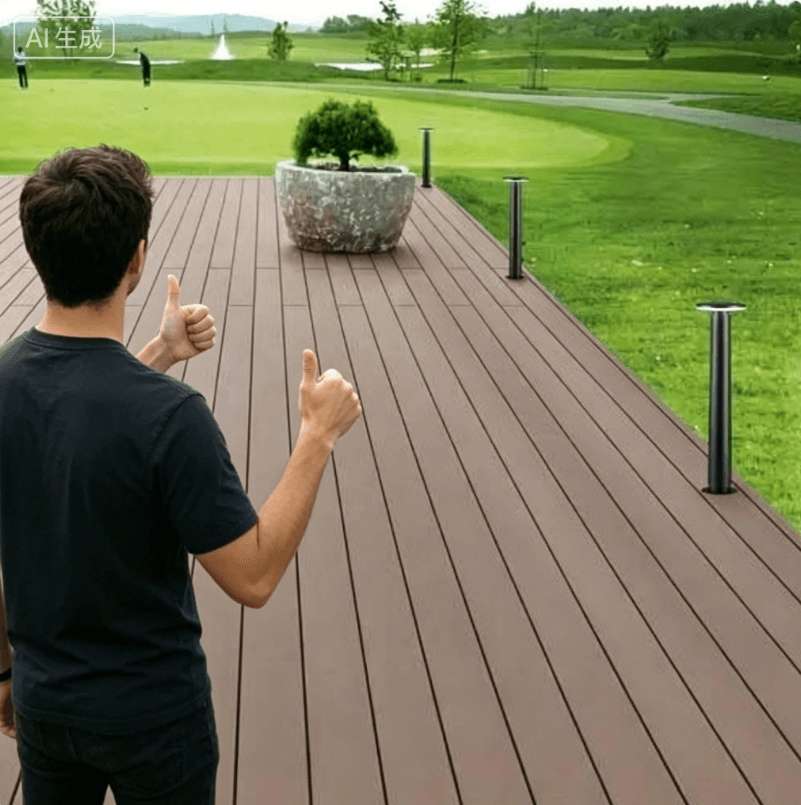
Every project has unique priorities. The following examples illustrate how different WPC Round Hole Floor products can match specific applications.
Case One: Residential Garden Renovation
Project Goal:
Transform an aging timber patio into a low-maintenance outdoor living area.
Recommended Product:
3D Embossed WPC Decking
Reason:
The realistic wood texture enhances visual appeal while reducing ongoing maintenance compared with traditional timber.
Case Two: Commercial Café Terrace
Project Goal:
Create attractive outdoor seating capable of handling continuous customer traffic.
Recommended Product:
Heavy Duty WPC Decking
Reason:
Its thicker profile provides enhanced structural performance while maintaining a refined wood-like appearance.
Case Three: Rooftop Leisure Area
Project Goal:
Install lightweight decking without sacrificing long-term durability.
Recommended Product:
Outdoor Composite Decking
Reason:
Its balanced structural design simplifies installation while offering reliable weather resistance.
Case Four: Coastal Hotel Walkway
Project Goal:
Maintain attractive decking despite continuous sunlight exposure.
Recommended Product:
UV Resistant WPC Decking
Reason:
The co-extrusion protective layer improves color stability in high-UV environments.
How Climate Influences Decking Selection
Climate should always be considered before selecting outdoor flooring materials.
Tropical Regions
High humidity requires decking with excellent moisture resistance and efficient drainage.
Round-hole composite structures perform particularly well under these conditions.
Cold Regions
Seasonal freezing and thawing create repeated expansion and contraction cycles.
Composite decking with stable dimensional performance can better accommodate these environmental changes.
Desert Environments
Intense sunlight increases the importance of UV-resistant surface technology.
Co-extruded protective layers help preserve appearance during prolonged exposure.
Coastal Areas
Salt air, moisture, and strong sunshine require durable materials capable of resisting environmental stress.
UV Resistant WPC Decking is especially suitable for these applications.
Installation Best Practices
Even premium decking materials require proper installation to achieve optimal performance.
Plan Joist Layout Carefully
Proper support spacing contributes to long-term structural stability.
Always follow the manufacturer’s installation recommendations.
Allow Expansion Gaps
Composite materials naturally expand and contract with temperature changes.
Providing appropriate expansion gaps allows normal movement throughout seasonal weather conditions.
Ensure Proper Drainage
Outdoor decking should never trap standing water.
Adequate slope and drainage improve long-term performance.
Use Compatible Fastening Systems
Hidden fasteners create a cleaner appearance while helping maintain consistent spacing between boards.
Inspect Before Installation
Every board should be inspected before installation to confirm dimensions, color consistency, and surface quality.
Long-Term Maintenance Tips
Although WPC Round Hole Floor requires relatively little maintenance, routine care still helps preserve appearance.
Regular Cleaning
Remove leaves, dust, and surface debris periodically.
Simple washing with water is generally sufficient for routine cleaning.
Clean Spills Promptly
Food, beverages, and oils should be cleaned soon after spills occur.
Timely cleaning helps maintain the decking’s appearance.
Avoid Sharp Metal Scraping
Use non-abrasive cleaning tools whenever possible.
This helps preserve embossed surface textures.
Check Fasteners Periodically
Routine inspections ensure fastening systems remain secure throughout years of service.
Common Buyer Mistakes
Understanding common purchasing mistakes helps improve project outcomes.
Choosing Only by Price
The lowest-priced product may not provide the best long-term value.
Performance, durability, and maintenance costs should also be considered.
Ignoring Climate Conditions
Decking suitable for one climate may not be ideal for another.
Environmental exposure should always influence product selection.
Overlooking Surface Finish
Different embossing styles influence appearance, comfort, and slip resistance.
Surface texture deserves careful evaluation.
Selecting Incorrect Product Types
Heavy-duty products are not always necessary for residential gardens, while lightweight products may not suit high-traffic commercial areas.
Matching product specifications with project requirements remains the most effective approach.
Future Development of WPC Round Hole Floor
The composite decking industry continues advancing through material innovation and manufacturing technology.
Several development trends are expected to influence future products.
Improved Surface Technologies
Future embossing methods are expected to create even more realistic wood textures while improving wear resistance.
Enhanced UV Protection
Continuous improvements in polymer chemistry are helping manufacturers develop surfaces with better long-term color stability.
Greater Sustainability
Manufacturers continue exploring higher recycled material utilization while maintaining product performance.
Smart Manufacturing
Automation, precision extrusion, and digital quality monitoring continue improving manufacturing consistency and production efficiency.
Why Professional Buyers Prefer Specialized Manufacturers
Selecting an experienced manufacturer provides benefits beyond the product itself.
Professional suppliers typically offer:
- Customized board dimensions
- Multiple surface textures
- Project-specific color matching
- Technical documentation
- Stable production capacity
- Consistent quality control
- OEM and ODM manufacturing support
- Flexible packaging solutions
- Engineering consultation for large projects
These capabilities become particularly valuable for distributors, contractors, developers, and international building material importers.
Final Comparison of the Four WPC Round Hole Floor Products
The following summary table provides a quick overview of the featured product series discussed throughout this guide.
| Product | Main Feature | Profile | Surface | Best Application |
|---|---|---|---|---|
| 3D Embossed WPC Decking | Premium wood appearance | Seven Round Hole Co-Extrusion | 3D Embossed | Villas, patios, balconies, gardens |
| Heavy Duty WPC Decking | Maximum structural strength | Seven Round Hole | 3D Wood Grain | Commercial walkways, public projects |
| Outdoor Composite Decking | Balanced overall performance | Seven Round Hole Co-Extrusion | Embossed / Brushed | Residential and commercial flooring |
| UV Resistant WPC Decking | Superior UV protection | Seven Round Hole Co-Extrusion | Embossed | High-sunlight outdoor environments |
Each product is engineered to address different project priorities while maintaining the core advantages associated with WPC Round Hole Floor technology.
Why WPC Round Hole Floor Is Becoming a Preferred Choice Worldwide
The global outdoor construction market continues to evolve toward building materials that combine performance, sustainability, and design flexibility.
Compared with traditional timber, composite decking offers a practical solution that addresses many long-standing maintenance challenges while providing an attractive wood-like appearance.
The optimized seven-round-hole profile further enhances handling efficiency, structural stability, and drainage performance, making it suitable for both residential and commercial projects.
As architects increasingly prioritize sustainable construction, contractors seek easier installation, and property owners demand lower maintenance costs, WPC Round Hole Floor has become a reliable solution capable of meeting these diverse expectations.
Whether your project requires premium aesthetics, higher structural capacity, balanced overall performance, or enhanced UV protection, selecting the appropriate product series allows you to create outdoor environments that remain functional and visually appealing for years to come.
Conclusion
Choosing the right decking material is an investment in the long-term value, functionality, and appearance of any outdoor space. A high-quality WPC Round Hole Floor combines the natural beauty of wood with the engineering advantages of modern composite technology, offering an excellent balance of durability, weather resistance, low maintenance, and aesthetic versatility.
Throughout this guide, we explored the core concepts behind WPC Round Hole Floor, including its structural design, manufacturing process, environmental benefits, installation considerations, and performance characteristics. We also compared four specialized product solutions—3D Embossed WPC Decking, Heavy Duty WPC Decking, Outdoor Composite Decking, and UV Resistant WPC Decking—to help buyers identify the most suitable option for different project requirements.
As outdoor living spaces continue to play a larger role in residential, commercial, and public landscape design, selecting a decking system that delivers consistent performance under varying environmental conditions becomes increasingly important. By partnering with an experienced manufacturer that offers reliable quality control, customization capabilities, and professional technical support, buyers can confidently invest in a decking solution designed for long-term success.
Whether you are planning a private garden renovation, a large commercial development, a hotel terrace, a public park, or a rooftop leisure area, WPC Round Hole Floor provides the flexibility and performance needed to meet modern architectural expectations while reducing ongoing maintenance requirements.
Ready to Choose the Right WPC Round Hole Floor?
Finding the ideal composite decking solution starts with understanding your project’s unique requirements. Whether you need premium wood-like aesthetics, enhanced load-bearing performance, balanced all-around durability, or superior UV resistance, our experienced team is ready to help you select the most suitable WPC Round Hole Floor for your application.
We offer multiple product series, flexible customization options, OEM and ODM manufacturing, professional technical support, and dependable production capabilities for residential, commercial, and large-scale engineering projects worldwide.
Contact us today to request product catalogs, color cards, technical specifications, or a customized solution tailored to your next outdoor decking project.
FAQ
Is WPC Round Hole Floor better than traditional wood decking?
The answer depends on project priorities. If the goal is to preserve the authentic character of natural timber, traditional wood may remain an attractive option. However, for projects emphasizing durability, low maintenance, weather resistance, and long-term value, WPC Round Hole Floor offers several practical advantages.
Unlike natural wood, composite decking generally does not require frequent painting, sealing, or staining. It is also less susceptible to rot, insect damage, and moisture-related deformation, making it suitable for a wide range of outdoor applications.
What is the difference between a round hole profile and a solid WPC decking board?
Both profile types have their own advantages.
A solid board typically provides greater weight and may be selected for applications requiring higher structural mass. A round hole profile, on the other hand, is engineered to reduce unnecessary material weight while maintaining structural stability.
For many residential terraces, balconies, gardens, and commercial walkways, a seven-round-hole profile provides an effective balance between strength, installation efficiency, and material utilization.
Which WPC Round Hole Floor is best for commercial projects?
Commercial environments usually experience heavier pedestrian traffic than residential spaces.
Heavy Duty WPC Decking is often recommended because its thicker profile provides enhanced load-bearing capability while maintaining the low-maintenance characteristics of composite materials.
Projects such as restaurants, hotels, public parks, shopping centers, schools, and commercial terraces can all benefit from its robust construction.
Which product is recommended for residential gardens and patios?
If visual appearance is the primary consideration, 3D Embossed WPC Decking is an excellent choice.
Its realistic three-dimensional wood grain closely resembles natural timber while providing improved slip resistance and requiring significantly less maintenance than conventional wooden decking.
How does UV Resistant WPC Decking maintain its appearance?
UV Resistant WPC Decking incorporates an advanced co-extrusion protective layer.
This outer layer helps reduce the effects of prolonged sunlight on the decking surface, improving color stability and helping the material maintain an attractive appearance throughout long-term outdoor use.
It is particularly suitable for regions with extended periods of intense sunshine.
Does WPC Round Hole Floor require regular maintenance?
One of the major benefits of composite decking is its relatively simple maintenance routine.
Most routine care consists of removing dirt, leaves, and debris with water or a mild household cleaner. Unlike traditional wood, regular sanding, sealing, or repainting is generally unnecessary.
Periodic inspection of fasteners and drainage areas can also contribute to long-term performance.
Can WPC Round Hole Floor be installed around swimming pools?
Yes.
Many WPC Round Hole Floor products are designed for environments exposed to moisture, making them suitable for pool decks, spa areas, and outdoor leisure spaces.
Embossed surface textures can also provide improved traction compared with smooth surfaces, helping create a safer walking environment when installed correctly.
Is customization available?
Many professional manufacturers support OEM and ODM production.
Customization options commonly include:
Board length
Surface texture
Color selection
Packaging
Private labeling
Project-specific production requirements
These services allow distributors, wholesalers, and engineering contractors to better match project specifications.
How should buyers choose among different WPC Round Hole Floor products?
The decision should be based on the project’s primary performance requirements.
If natural aesthetics are the priority, 3D Embossed WPC Decking is an ideal solution.
If maximum structural strength is required, Heavy Duty WPC Decking provides additional load-bearing capability.
Outdoor Composite Decking offers balanced overall performance for diverse applications, while UV Resistant WPC Decking is specifically designed for environments with prolonged sunlight exposure.
What should I evaluate before selecting a WPC Round Hole Floor supplier?
Selecting a supplier involves more than comparing prices.
Professional buyers often evaluate factors such as:
Manufacturing experience
Production capacity
Quality management systems
Product consistency
Customization capabilities
Technical support
Packaging options
Delivery reliability
International export experience
Choosing an experienced manufacturer can simplify project planning while reducing procurement risks.