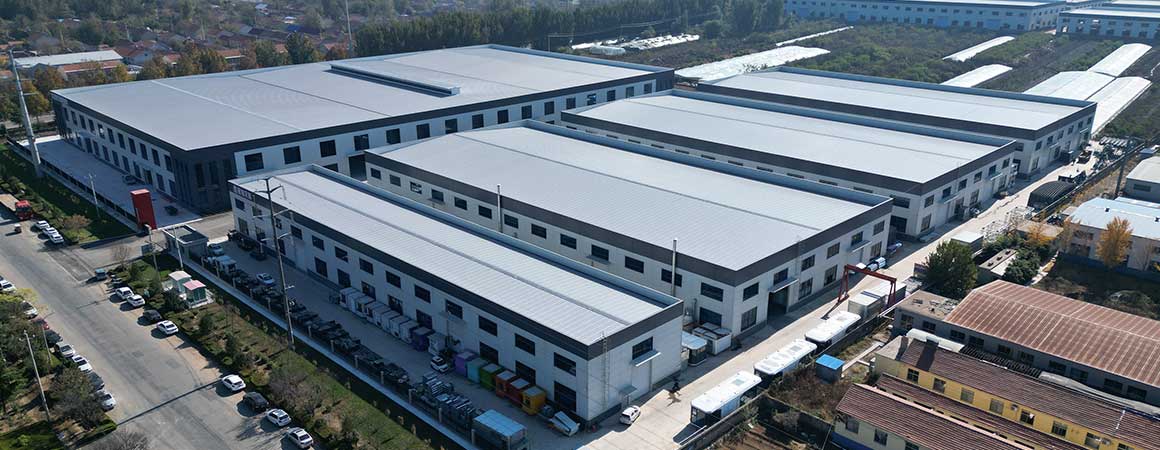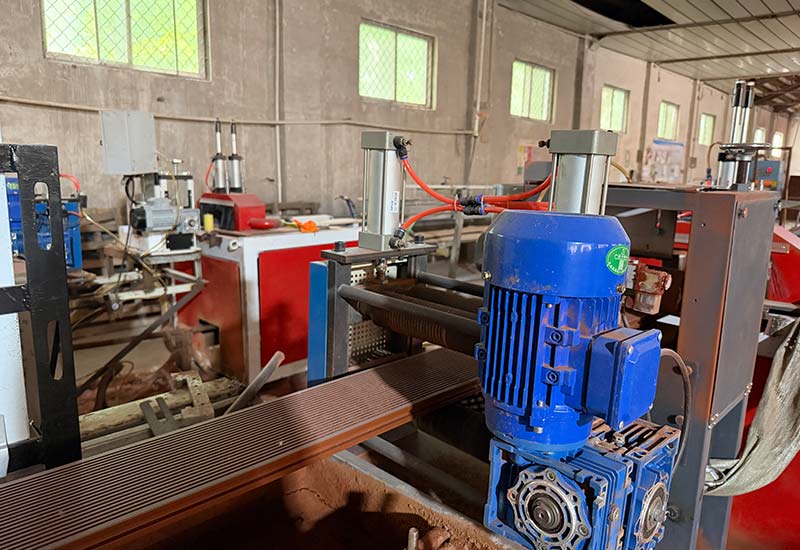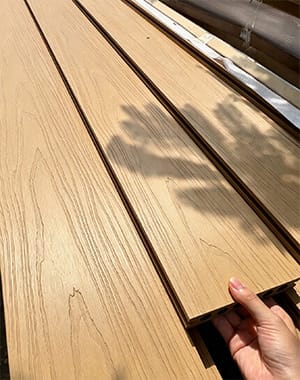
Hengyuan is a trusted WPC manufacturer focused on quality, innovation, and long-term outdoor performance. With advanced co-extrusion technology, our products offer strong waterproof, UV-resistant, and anti-corrosion durability for global applications.
Follow our latest updates and factory videos here:
👉 Hengyuan WPC on YouTube
Thank you for reading our blog.
Table of Contents
- Key Takeaways
- How Much Does WPC Fencing Cost in 2026?
- What Is WPC Fencing?
- WPC Fence Panel Options and Cost Differences
- Estimated WPC Fencing Cost by Project Size
- What Factors Affect WPC Fencing Prices?
- WPC Fencing vs. Other Fence Materials
- Is WPC Fencing Worth the Cost?
- DIY or Professional Installation?
- How to Compare WPC Fencing Quotations
- How to Reduce WPC Fencing Costs
- WPC Fencing FAQ
- Final Budget Checklist
Key Takeaways
- Installed WPC fencing commonly costs approximately $20–$55 per linear foot for basic-to-mid-range projects.
- Premium privacy fences and difficult installations may reach $50–$100 or more per linear foot.
- Standard panels are normally more affordable than capped, co-extruded, ASA, or decorative panels.
- Fence height, panel structure, posts, gates, freight, labor, and ground conditions all affect the final price.
- Buyers should compare the cost of a complete fencing system rather than the price of individual boards.
- Higher initial material costs may be offset by lower painting, staining, and repair requirements.
- An accurate quotation requires the total length, fence height, gate quantity, project location, and installation conditions.
How Much Does WPC Fencing Cost in 2026?
In 2026, WPC fencing can cost approximately $20–$55 per linear foot for a basic-to-mid-range installed system. Premium privacy fencing, decorative designs, tall panels, difficult ground conditions, and locally expensive labor can raise the installed price to $50–$100 or more per linear foot.
These are general planning estimates rather than fixed quotations. Fence height, product specifications, post spacing, supporting structure, shipping, installation labor, gates, and regional construction requirements can significantly affect the final amount.
Published market estimates also vary considerably. Angi’s composite fencing cost guide reports a broad installed range, while HomeGuide’s composite fence cost guide places many professionally installed systems at the higher end of the market. This difference shows why homeowners, contractors, and distributors should compare complete system quotations instead of relying on a single average price.
If you are still comparing panel styles, explore Hengyuan’s complete range of WPC fencing products before preparing your project budget.
Typical WPC Fencing Cost Breakdown
| Cost Item | Estimated 2026 Price Range | What It Usually Covers |
|---|---|---|
| Standard WPC panels | $15–$30 per linear foot | Basic boards or panel materials |
| Co-extrusion WPC panels | $25–$45 per linear foot | Capped panels with enhanced surface protection |
| Decorative or premium panels | $30–$60+ per linear foot | Textured, wide, patterned, or custom panels |
| Professional installation | $15–$30+ per linear foot | Post setting, alignment, assembly, and finishing |
| Existing fence removal | $5–$8+ per linear foot | Dismantling, loading, transport, and disposal |
| Ground preparation | Project-specific | Clearing, grading, excavation, and concrete removal |
| Gates and accessories | Project-specific | Frames, hinges, locks, handles, and reinforcement |
| Freight and delivery | Project-specific | Local delivery or international transportation |
The total installed price should be based on the complete fence system. A low panel price may not lead to a low project cost if posts, accessories, gates, shipping, or installation are excluded.
Material-Only Cost
Material-only prices are useful for contractors, distributors, importers, and homeowners planning DIY installation. A quotation may cover only composite boards or a complete modular kit containing posts, channels, rails, caps, brackets, and fasteners.
Ask the supplier to provide a complete bill of materials based on the required fence length and height. This can identify missing components before the order enters production.
Professional Installation Cost
Professional labor commonly adds $15–$30 or more per linear foot. The cost can increase when installers must excavate rocky soil, work on sloped land, remove an existing fence, build deeper concrete foundations, or install large gates.
A professional quotation should state whether excavation, concrete, equipment, debris removal, and final cleanup are included.
What Is WPC Fencing?
WPC stands for wood-plastic composite. It is an engineered material normally manufactured from wood fiber or wood flour, thermoplastic, pigments, stabilizers, and other performance additives.
The ingredients are mixed and formed into consistent profiles through an extrusion process. The objective is to create a wood-inspired outdoor material with improved resistance to moisture, insects, splintering, and routine maintenance requirements.
Readers who want a broader introduction can also read our guide explaining what wood-plastic products are.
Wood-Plastic Composite
A wood-plastic composite combines wood-based material with a polymer matrix. Its performance depends on the material formulation, fiber-to-plastic ratio, additives, manufacturing conditions, profile structure, and installation method.
The USDA Forest Products Laboratory explains that commercial wood-plastic composite properties vary according to their constituents, additives, and processing history. Its technical discussion of wood-based composite materials also recommends obtaining product-specific design information from the manufacturer.
Standard WPC Fencing
Standard panels normally have a consistent composite structure from the surface to the core. They provide an economical option for residential boundaries, gardens, courtyards, and general landscaping projects.
The Standard WPC Fence Panel 156 × 21 mm offers a practical balance between cost, appearance, strength, and installation convenience. It is suitable for projects that do not require the premium surface layer of a co-extrusion panel.
Co-extrusion WPC Fencing
Co-extrusion technology applies an additional protective layer around the composite core during manufacturing. Depending on its formulation, this outer cap can improve resistance to staining, moisture, fading, and daily surface wear.
Co-extrusion fencing generally costs more than a standard uncapped system. However, it may offer better value in humid regions, swimming pool areas, commercial landscapes, hospitality projects, and locations exposed to strong sunlight.
What Does Capped WPC Mean?
A capped panel has a protective outer layer bonded to its composite core. It is part of the extrusion process rather than a paint or coating applied after the panel has been manufactured.
Buyers should ask whether the cap covers the entire profile or only its visible surfaces. UV-weathering, moisture-absorption, stain-resistance, and color-change test information can help compare products more accurately.
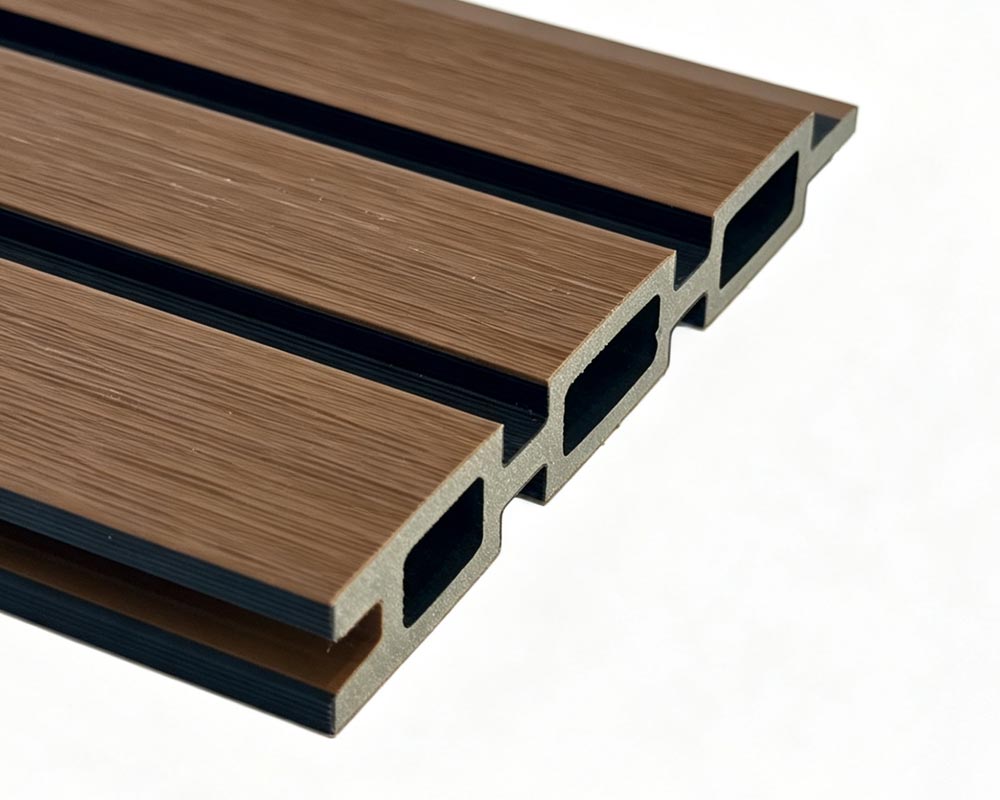
ASA Co-extrusion WPC Fence
ASA stands for acrylonitrile styrene acrylate. In a co-extrusion fence system, ASA is used as an exterior surface layer over the composite core.
The ASA Co-extrusion WPC Fence 160 × 21 mm is intended for projects where surface durability, color performance, and outdoor weather resistance are major considerations. It may be relevant to hot, sunny, coastal, or high-exposure environments.
WPC Fence Panel Options and Cost Differences
The design of a fence panel affects material use, installation efficiency, appearance, supporting requirements, and total cost. A wider panel may reduce the number of boards needed for each section, while a heavier panel may require stronger posts or reinforcement.
Standard WPC Fence Panel 156 × 21 mm
A standard panel is generally the most economical choice. It works well for residential gardens, courtyards, property boundaries, and basic privacy screens.
It is suitable when buyers prioritize practical performance and controlled initial costs over advanced surface protection.
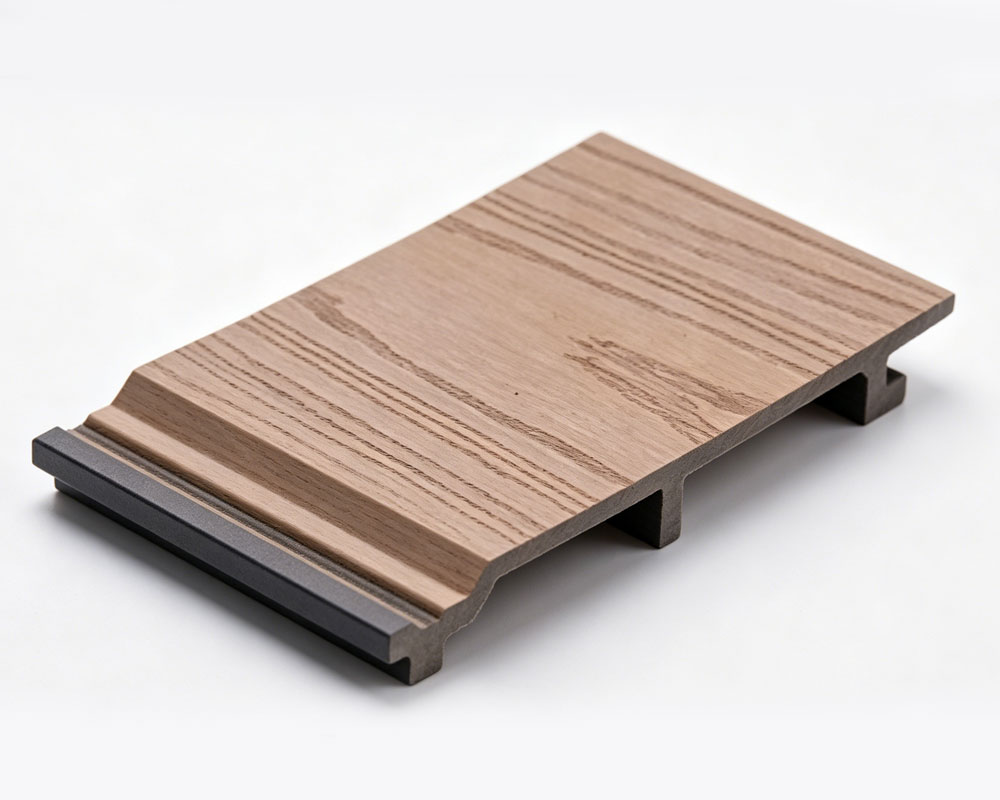
Decorative WPC Fence Panel 156 × 21 mm
Decorative fencing adds visual detail through embossed textures, patterns, colors, or mixed-panel arrangements. It can be used around villas, hotels, restaurants, gardens, parks, and landscaped commercial properties.
The Decorative WPC Fence Panel 156 × 21 mm is designed for projects that require both boundary functionality and stronger visual presentation.
Wide Co-extrusion WPC Fence Panel
A wider panel covers more area with fewer individual boards. This can create a cleaner privacy-screen appearance and may reduce the number of installation steps required for each fence section.
Hengyuan’s Wide Co-extrusion WPC Fence Panel uses a wider profile with a protective co-extruded surface. Compare total cost per completed meter instead of only cost per board.
Quick WPC Fence Panel Comparison
| Panel Type | Relative Cost | Main Advantage | Suitable Applications |
|---|---|---|---|
| Standard WPC panel | Lower | Practical and cost-effective | Gardens and residential boundaries |
| Decorative WPC panel | Medium | Enhanced appearance | Villas, hotels, and landscaped projects |
| Wide co-extrusion panel | Medium to high | Wider coverage and protected surface | Privacy screens and commercial landscapes |
| ASA co-extrusion panel | Higher | Enhanced surface and weather performance | Sunny, coastal, or high-exposure projects |
Estimated WPC Fencing Cost by Project Size
The following examples are intended for early budget planning. Gates, freight, demolition, permits, taxes, and major ground preparation are not included.
| Fence Length | Budget System at $25/ft | Mid-Range System at $45/ft | Premium System at $75/ft |
|---|---|---|---|
| 50 linear feet | $1,250 | $2,250 | $3,750 |
| 100 linear feet | $2,500 | $4,500 | $7,500 |
| 150 linear feet | $3,750 | $6,750 | $11,250 |
| 200 linear feet | $5,000 | $9,000 | $15,000 |
| 300 linear feet | $7,500 | $13,500 | $22,500 |
How Do I Estimate My Fence Length?
Measure every boundary line where fencing will be installed and add the measurements together. Exclude walls or existing structures that will remain part of the boundary.
Mark the position and width of each gate separately. A small allowance may be needed for cutting or site adjustments, but the final quantity should be calculated according to the manufacturer’s panel dimensions and post spacing.
Simple WPC Fencing Budget Formula
Total fence length × estimated installed cost per linear foot = estimated project cost
For example, 120 feet × $45 per linear foot = $5,400. This amount does not include special gates, difficult excavation, freight, permits, or other project-specific expenses.
What Factors Affect WPC Fencing Prices?
The same fence length can generate very different quotations. A higher price may represent better surface technology, heavier profiles, stronger posts, more complete accessories, or higher installation costs.
Fence Height
A taller fence requires more panels and may need longer posts, deeper foundations, or additional reinforcement. A six-foot privacy fence will therefore cost more than a low garden divider of the same length.
Panel Profile and Wall Thickness
Panel width, wall thickness, internal structure, profile weight, and reinforcement affect material consumption and performance. Two products that look similar in photographs may have very different cross-sections and technical specifications.
Surface Technology
Standard, brushed, embossed, capped, co-extruded, and ASA surfaces have different production costs. Enhanced surface protection usually increases the initial price but may improve resistance to daily weather exposure and staining.
USDA research into the weathering of wood-plastic composites shows that moisture and photodegradation are important considerations in exterior applications.
Posts and Supporting Structure
Posts are a major part of the complete fencing system. Aluminum posts and internal reinforcement may increase the initial price but can provide additional structural support for specific installations.
Ground Conditions
Rocky, soft, sloped, concrete-covered, or waterlogged ground can increase installation time and equipment requirements. Tree roots, buried utilities, drainage problems, and restricted site access can also add cost.
Before excavation, installers should identify underground utility locations. The OSHA excavation safety guidance provides additional information about excavation hazards and safe working practices.
Freight and Order Quantity
International buyers must consider packaging, inland transportation, sea freight, insurance, customs duties, and final delivery. Larger orders may reduce the unit price, but buyers should calculate landed cost at the destination rather than comparing factory prices alone.
Gates and Custom Features
Gates require dedicated frames, hinges, locks, reinforced posts, and additional installation work. Double gates, motorized systems, custom colors, lighting, decorative inserts, and mixed-material designs can increase the total project price.
WPC Fencing vs. Other Fence Materials
The least expensive material at purchase does not always provide the lowest ownership cost. Initial price, maintenance, lifespan, appearance, privacy, and climate suitability should be considered together.
| Feature | WPC Fencing | Natural Wood | Vinyl | Aluminum |
|---|---|---|---|---|
| Initial cost | Medium to high | Low to medium | Medium | Medium to high |
| Wood-like appearance | Strong | Natural | Limited | No |
| Routine maintenance | Low | Medium to high | Low | Low |
| Painting or staining | Normally unnecessary | Often required | Normally unnecessary | Normally unnecessary |
| Moisture resistance | Generally good but product-dependent | Product-dependent | Good | Excellent |
| Full privacy options | Yes | Yes | Yes | Less common |
| Splinter risk | Low | Possible | None | None |
| Design flexibility | High | High | Medium | High |
WPC Fencing vs. Wood Fencing
Wood usually has a lower initial price and offers a completely natural appearance. However, it may require painting, staining, sealing, pest treatment, and replacement of damaged boards.
Composite fencing generally requires less routine surface treatment and does not splinter like natural timber. It may provide better long-term value for buyers who want a consistent appearance and lower maintenance demands.
WPC Fencing vs. Vinyl Fencing
Vinyl is easy to clean and does not rot, but some products have a distinctly plastic appearance. Composite panels can provide deeper colors and more realistic wood-grain textures.
Both materials can expand and contract when temperatures change. Correct installation clearances and post spacing are important for long-term performance.
WPC Fencing vs. Aluminum Fencing
Aluminum provides good corrosion resistance and is frequently used for open decorative boundaries. It is less commonly selected for complete visual privacy.
Composite boards can create a solid privacy screen, while aluminum can be used for the supporting posts and frame.
Is WPC Fencing Worth the Cost?
WPC fencing can be worth the higher initial investment when privacy, outdoor durability, visual consistency, and low routine maintenance are important. It may be less suitable for temporary boundaries or projects where the lowest possible purchase price is the only priority.
Initial Cost
Initial expenditure includes panels, posts, rails, fasteners, gates, packing, delivery, foundations, and installation. Decorative and co-extrusion products are normally positioned at the higher end of the range.
Lifetime Cost
Lifetime cost includes original purchase, installation, cleaning, painting, staining, repairs, replacement parts, and eventual replacement. No outdoor fence should be described as completely maintenance-free; posts, fasteners, gate hardware, drainage areas, and damaged parts still need inspection.
How Do I Calculate Cost per Year?
Total ownership cost ÷ expected service period = estimated annual cost
If a completed fence costs $9,000 and remains in service for 25 years, its basic annualized cost would be approximately $360 before maintenance and repair expenses.
DIY or Professional WPC Fence Installation?
DIY installation can reduce labor expenses, but it requires accurate measurement, excavation, post alignment, concrete work, cutting tools, and sufficient installation experience.
When DIY Installation May Be Suitable
- The fence line is short and straight.
- The ground is level and easy to excavate.
- The system uses modular components.
- There are few or no gates.
- The installer has suitable tools and experience.
- Clear installation instructions are available.
The installer must still follow required post spacing, foundation dimensions, expansion clearances, and fastening instructions.
When Should I Hire a Professional Installer?
- Long fence lines
- Tall privacy screens
- Sloped or uneven land
- Rocky or concrete-covered ground
- Multiple gates
- Commercial projects
- Areas with demanding wind-load requirements
More common technical questions are answered in our WPC product FAQ center.
How to Compare WPC Fencing Quotations
A professional quotation should clearly show what is included, what remains optional, and which project assumptions were used.
Compare Complete Systems
- WPC fence panels
- Posts and internal reinforcement
- Top and bottom rails
- Post caps and finishing trims
- Brackets and fasteners
- Gates and gate hardware
- Packaging and freight
- Installation instructions
- Recommended spare parts
Review Technical Information
Ask for panel dimensions, wall thickness, weight, material composition, profile drawings, surface treatment, color options, test information, packing details, and warranty conditions.
Check Warranty Conditions
Review what the warranty covers and excludes. Some warranties may exclude improper installation, structural movement, normal color variation, extreme weather, commercial use, or unauthorized modifications.
Questions to Ask a WPC Manufacturer
- What is included in the price per meter or linear foot?
- Is the product standard, capped, co-extruded, or ASA co-extruded?
- How many panels and posts are required?
- What post spacing is recommended?
- Is aluminum reinforcement required?
- How much thermal expansion space should be allowed?
- Which test reports are available?
- What does the warranty cover?
- How is the material packed for export?
- Can customized lengths, colors, and profiles be supplied?
You can contact Hengyuan WPC with your project dimensions, application, destination, and preferred panel style to request a more accurate quotation.
How to Reduce WPC Fencing Costs
Cost reduction should focus on efficient system design and accurate ordering rather than simply choosing the lightest or cheapest product.
Use Standard Dimensions
Standard lengths, colors, and profiles generally cost less than custom production. Standardized components can also simplify installation and future replacement.
Simplify the Fence Layout
Straight fence lines are normally easier and faster to install than layouts with many corners, level changes, transitions, and custom sections.
Compare Cost per Completed Section
A wide panel may cost more per piece but require fewer boards per fence section. Calculate the total panels, posts, accessories, and installation work required for one completed meter.
Prepare the Site Early
Confirm property boundaries, remove minor vegetation, identify underground utilities, and resolve access problems before installation begins. Major excavation and utility-related work should be performed by qualified professionals.
WPC Fencing FAQ
How much does WPC fencing cost per foot in 2026?
A reasonable early planning range is approximately $20–$55 per linear foot for many basic-to-mid-range installed projects. Premium privacy systems, complex sites, tall panels, and high regional labor costs can raise the price to $50–$100 or more.
Why is one WPC fencing quotation much cheaper than another?
One quotation may include only panels, while another covers posts, rails, reinforcement, accessories, gates, freight, concrete, and installation. Product composition, profile weight, surface technology, testing, and warranty terms can also affect price.
Is co-extrusion WPC fencing more expensive?
Yes. Co-extrusion panels generally cost more because they include an additional protective surface layer. The added cost may be worthwhile in projects exposed to intense sunlight, moisture, stains, or frequent outdoor use.
What is the cheapest type of WPC fencing?
A standard uncapped panel in a common size and color is normally the most economical option. A simple layout, standard height, fewer corners, and fewer gates can further reduce total cost.
Can I install WPC fencing myself?
A small modular fence on level ground may be suitable for an experienced DIY installer. Post alignment, foundations, thermal clearances, cutting, reinforcement, and gate installation must still follow the supplier’s instructions.
Does WPC fencing need painting or sealing?
Most products do not require routine painting, staining, or sealing. Periodic washing and inspection are still recommended.
Does darker WPC fencing cost more?
Standard colors may have similar prices, while custom shades and low-volume production may cost more. Dark surfaces can also become hotter in direct sunlight, making thermal-expansion allowances especially important.
How many WPC panels do I need for a 100-foot fence?
The quantity depends on fence height, board width, panel orientation, post spacing, gaps, and gate dimensions. Send a project drawing to the manufacturer for an accurate bill of materials.
Is WPC fencing cheaper than wood over time?
It can be when repeated painting, staining, sealing, pest treatment, and board replacement are included. The result depends on timber type, composite quality, climate, local labor costs, and expected ownership period.
Which WPC fencing is best for strong sunlight?
A quality co-extrusion or ASA co-extrusion product may be more suitable for high-UV environments. Buyers should request relevant weathering and color-performance information rather than selecting panels solely by appearance.
What information should I send to get an accurate quotation?
- Total fence length and required height
- Project location and layout drawing
- Number and size of gates
- Preferred panel type and color
- Post and reinforcement requirements
- Installation method and site photographs
Final WPC Fencing Budget Checklist
Before approving an order, confirm the complete material list, panel dimensions, surface technology, post system, reinforcement, gates, freight, installation requirements, warranty terms, and expected maintenance.
For buyers comparing standard, decorative, wide co-extrusion, and ASA co-extrusion products, the best option is not necessarily the panel with the lowest unit price. The right choice is the complete system that meets the project’s climate, appearance, privacy, structural, installation, and long-term budget requirements.
Hengyuan integrates WPC product development, manufacturing, customization, and project support. Learn more about Hengyuan WPC or contact our team to discuss panel selection, customized specifications, packing, and bulk project requirements.