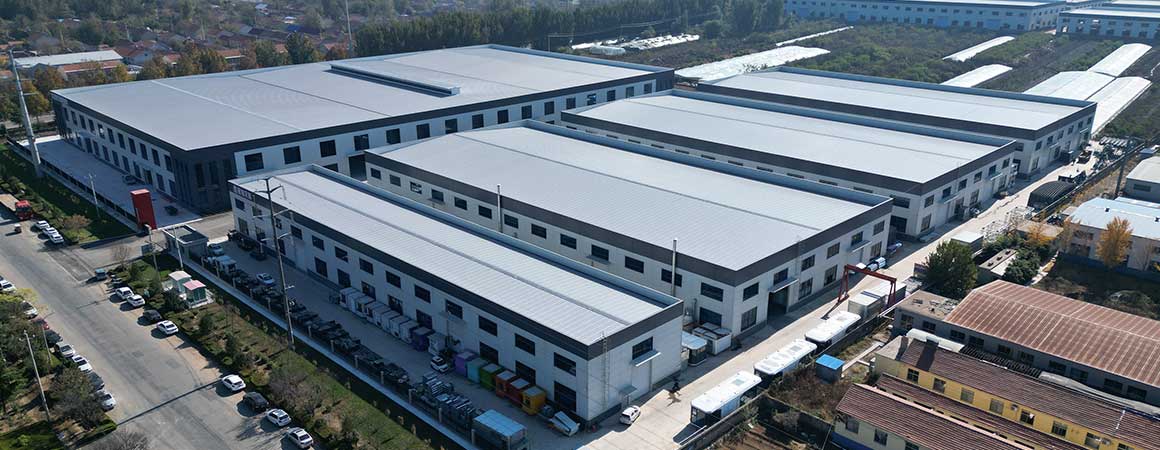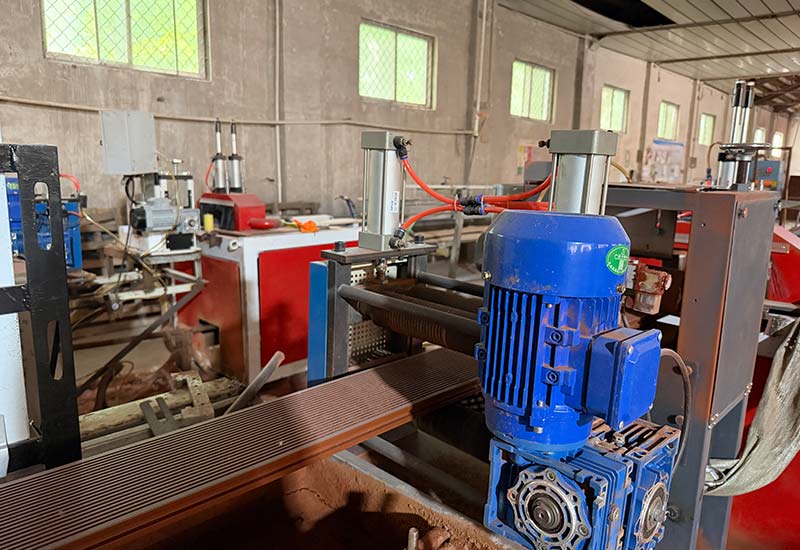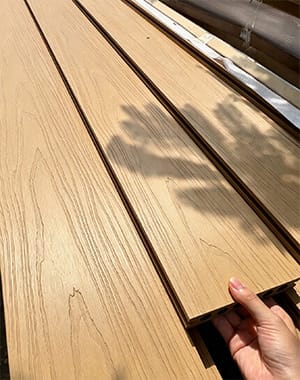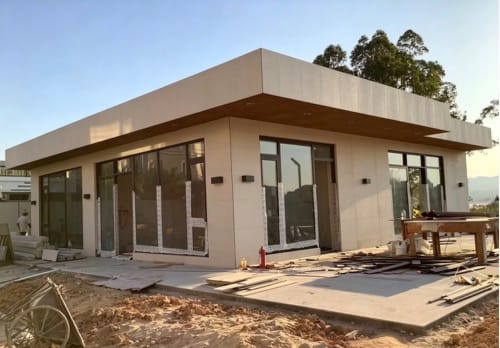
Hengyuan is a trusted WPC manufacturer focused on quality, innovation, and long-term outdoor performance. With advanced co-extrusion technology, our products offer strong waterproof, UV-resistant, and anti-corrosion durability for global applications.
Follow our latest updates and factory videos here:
👉 https://www.youtube.com/@HYWPC
Thank you for reading our blog.
Table of Contents
Choosing the right exterior or interior wall material has become more important than ever as architects, contractors, distributors, and homeowners seek products that combine durability, aesthetics, and low maintenance. Traditional timber cladding offers a natural appearance but often requires regular painting, sealing, and ongoing maintenance. Metal and cement-based wall systems provide durability but may lack the warm texture that many projects require.
A WPC wall panel has emerged as a modern alternative that balances appearance, performance, and practicality. Manufactured from a combination of wood fibers and thermoplastic materials, WPC (Wood Plastic Composite) wall panels are widely used in residential, commercial, hospitality, and public construction projects. They are available in various profiles, colors, and surface textures, making them suitable for both contemporary and traditional architectural designs.
Whether you are sourcing materials for a villa, hotel, office building, shopping center, or large-scale wholesale project, understanding the different types of WPC wall panels can help you select the most suitable solution for your application.
This guide explains everything you need to know about WPC wall panel products, including their structure, manufacturing process, available types, applications, advantages, installation considerations, and purchasing tips for bulk projects.
In This Guide
In this article, you will learn:
- What a WPC wall panel is
- How WPC wall panels are manufactured
- Common types of WPC wall panels
- Indoor vs. outdoor WPC wall panels
- Surface finishes and color options
- Standard sizes and profiles
- Popular residential and commercial applications
- Advantages compared with traditional wall materials
- Basic installation concepts
- How to choose the right supplier
- Frequently asked questions before purchasing
What Is a WPC Wall Panel?
A WPC wall panel is a decorative and protective cladding material manufactured from a blend of wood fibers, recycled or virgin plastic polymers, and performance-enhancing additives. It combines the natural appearance of wood with the durability of engineered composite materials, making it suitable for both interior and exterior wall systems.
Unlike solid timber, a WPC wall panel is designed to reduce routine maintenance while offering improved resistance to moisture, insects, and weather exposure. Because of these characteristics, it has become a popular choice for modern architectural projects around the world.
Definition of a WPC Wall Panel
A WPC wall panel is a composite wall cladding product produced through an extrusion process. The finished profile can be installed on walls, ceilings, façades, fences, and decorative architectural features.
Its primary purpose is to provide an attractive surface while protecting the underlying building structure from environmental exposure and reducing maintenance requirements.
What Does WPC Stand For?
WPC stands for Wood Plastic Composite.
The material combines natural wood fibers with plastic polymers under controlled manufacturing conditions to create a composite profile that offers the visual appeal of wood together with enhanced dimensional stability and weather resistance.
Because both materials complement each other’s characteristics, WPC products are widely used in outdoor construction and landscaping projects.
Main Components of a WPC Wall Panel
Although formulations vary among manufacturers, most WPC wall panels are produced using several key materials.
Wood Fiber
Wood fibers provide the natural appearance and texture that distinguish WPC products from conventional plastic panels. They also contribute to the panel’s rigidity and decorative effect.
Plastic Polymer
The plastic component helps improve moisture resistance, dimensional stability, and overall durability. Different manufacturers may use different polymer systems depending on the intended application.
Additives
Various additives are incorporated during production to improve processing performance, color stability, surface quality, and resistance to environmental factors.
These additives help ensure that the finished WPC wall panel performs consistently under different installation conditions.
How Is a WPC Wall Panel Manufactured?
Most WPC wall panels are produced through a continuous extrusion process. During production, raw materials are mixed, heated, shaped, cooled, and finished to create consistent profiles suitable for installation.
Although production technologies vary, the manufacturing process generally follows similar stages.
Step 1: Material Preparation
Wood fibers, polymers, and additives are accurately measured before entering the mixing system. Maintaining a consistent formulation helps ensure stable product quality throughout production.
Step 2: Mixing
The raw materials are blended into a uniform mixture. Proper mixing improves consistency and supports reliable extrusion performance.
Step 3: Extrusion
The blended material passes through an extrusion die that determines the final profile shape of the WPC wall panel.
Different dies can produce hollow panels, solid panels, decorative profiles, or customized cross-sections.
Step 4: Cooling and Calibration
Immediately after extrusion, the profile is cooled and calibrated to maintain accurate dimensions and improve product stability.
Step 5: Surface Treatment
Depending on the product design, manufacturers may apply embossing, brushing, sanding, or wood-grain texturing to achieve different decorative finishes.
Step 6: Cutting and Packaging
Finally, panels are cut to the required lengths, inspected, packaged, and prepared for transportation.
Why Are WPC Wall Panels Becoming More Popular?
Growing demand for sustainable construction materials and low-maintenance building products has significantly increased the adoption of WPC wall panels in recent years.
Several factors contribute to this trend.
Modern Architectural Design
Architects increasingly prefer clean lines, natural textures, and contemporary façade systems. WPC wall panels provide multiple color and texture options that complement a wide range of building styles.
Lower Maintenance Requirements
Compared with traditional wood cladding, many WPC wall panel systems require less routine maintenance, reducing long-term upkeep for property owners.
Flexible Design Options
Manufacturers can produce different colors, textures, widths, and profile structures, allowing designers greater flexibility when planning residential or commercial projects.
Suitable for Various Applications
From private homes and hotels to office buildings and commercial centers, WPC wall panels can be adapted to numerous construction environments.
Types of WPC Wall Panels
Not all WPC wall panels are the same. Manufacturers offer different profile structures, surface treatments, and protective technologies to meet various architectural and environmental requirements.
Understanding these categories helps buyers select products that align with their project goals.
Hollow WPC Wall Panels
Hollow WPC wall panels feature internal cavities that reduce overall weight while maintaining structural integrity. Their lightweight design makes transportation and installation more convenient for many building projects.
These panels are commonly selected for residential developments, decorative walls, and applications where minimizing structural load is beneficial.
Solid WPC Wall Panels
Solid WPC wall panels contain a denser internal structure, providing greater strength and rigidity.
They are often preferred for commercial buildings, public facilities, and areas where additional impact resistance may be desirable.
Co-Extrusion WPC Wall Panels
Co-extrusion technology applies a protective outer layer over the composite core during manufacturing.
This additional layer helps improve surface durability and can enhance resistance to weather exposure, staining, and everyday wear, making co-extrusion WPC wall panels a popular option for exterior applications.
Embossed WPC Wall Panels
Embossed WPC wall panels feature textured surfaces designed to resemble natural wood grain.
The decorative finish creates a more realistic appearance while complementing a variety of architectural styles, from modern residences to commercial hospitality projects.
Brushed WPC Wall Panels
Brushed surfaces create a refined texture with subtle linear patterns that contribute to a contemporary appearance.
Many architects select brushed finishes for projects seeking a clean, minimalist aesthetic.
3D Wood Grain WPC Wall Panels
Advanced embossing technologies allow manufacturers to create deeper wood-grain patterns with enhanced visual depth.
These panels provide a premium decorative effect suitable for high-end residential and commercial environments.
Comparison of Common WPC Wall Panel Types
| Type | Main Characteristics | Typical Applications | Advantages |
|---|---|---|---|
| Hollow WPC Wall Panel | Lightweight internal structure | Residential buildings, decorative walls | Easy transportation and installation |
| Solid WPC Wall Panel | Dense construction | Commercial buildings, public facilities | Higher rigidity |
| Co-Extrusion WPC Wall Panel | Protective outer layer | Exterior façades, outdoor walls | Improved weather resistance |
| Embossed WPC Wall Panel | Natural wood texture | Villas, hotels, resorts | Decorative appearance |
| Brushed WPC Wall Panel | Contemporary surface finish | Offices, retail spaces | Modern aesthetic |
| 3D Wood Grain WPC Wall Panel | Deep textured surface | Premium architectural projects | Enhanced visual realism |
How Do Different WPC Wall Panel Types Compare?
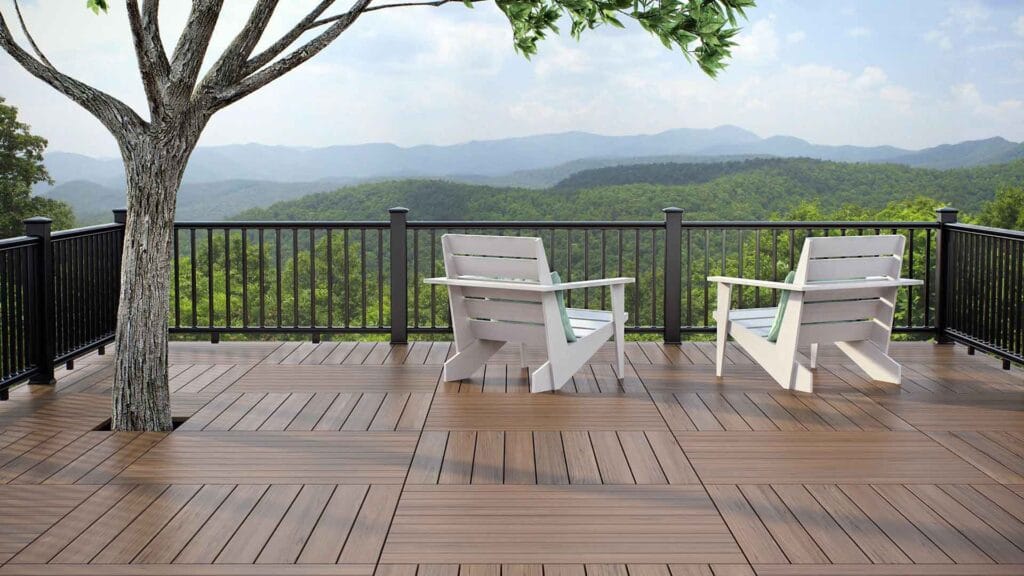
Selecting the appropriate WPC wall panel depends on several project-specific considerations rather than simply choosing the strongest or most decorative option.
For Residential Projects
Homeowners often prioritize appearance, ease of maintenance, and long-term value. Hollow or embossed WPC wall panels are commonly selected for these applications due to their balance of aesthetics and practicality.
For Commercial Buildings
Commercial developments typically emphasize durability, consistent appearance, and efficient installation. Solid or co-extrusion WPC wall panels are frequently considered for these environments.
For Outdoor Applications
Exterior projects require products designed for long-term exposure to sunlight, rain, humidity, and seasonal temperature changes. Selecting a WPC wall panel specifically designed for outdoor use helps achieve optimal performance.
Indoor vs. Outdoor WPC Wall Panels
Although many people use the term WPC wall panel as a general product category, panels designed for indoor environments and those engineered for exterior applications often differ in structure, performance priorities, and installation methods. Understanding these differences helps architects, contractors, and buyers choose the most suitable solution for each project.
Indoor WPC Wall Panels
Indoor WPC wall panels are primarily designed to enhance interior spaces with decorative finishes and modern aesthetics. They are commonly installed in living rooms, offices, hotels, restaurants, retail stores, and exhibition areas where direct exposure to harsh weather is not a concern.
Because indoor environments are relatively stable, these panels typically focus on appearance, lightweight construction, and installation efficiency rather than maximum weather resistance.
Common Characteristics
- Decorative surface textures
- Lightweight profile designs
- Easy installation
- Low maintenance
- Suitable for dry indoor environments
Outdoor WPC Wall Panels
Outdoor WPC wall panels are specifically developed for exterior building envelopes and landscaping projects. They are intended to perform under changing weather conditions, including sunlight, rainfall, humidity, and seasonal temperature fluctuations.
Exterior products generally require stronger structural performance and are often paired with ventilated installation systems to improve drainage and airflow behind the cladding.
Common Characteristics
- Designed for exterior exposure
- Improved weather resistance
- Compatible with ventilated façade systems
- Suitable for residential and commercial buildings
- Available in multiple architectural finishes
Which WPC Wall Panel Is Right for Your Project?
The best choice depends on where the product will be installed and the functional requirements of the project.
For indoor decorative walls, lightweight profiles with attractive finishes are often sufficient. For building façades, outdoor entertainment areas, or commercial exteriors, panels specifically designed for exterior applications are generally the preferred option.
Selecting products based on the intended environment helps improve installation quality and long-term performance.
Indoor vs. Outdoor WPC Wall Panels Comparison
| Feature | Indoor WPC Wall Panel | Outdoor WPC Wall Panel |
|---|---|---|
| Primary Application | Interior Decoration | Exterior Cladding |
| Weather Exposure | Minimal | Continuous Outdoor Exposure |
| UV Resistance | Standard | Enhanced |
| Moisture Resistance | Moderate | Higher |
| Installation System | Direct or Framed | Ventilated Substructure |
| Maintenance | Low | Low |
| Typical Projects | Homes, Offices, Hotels | Villas, Commercial Buildings, Resorts |
Common Applications of WPC Wall Panels
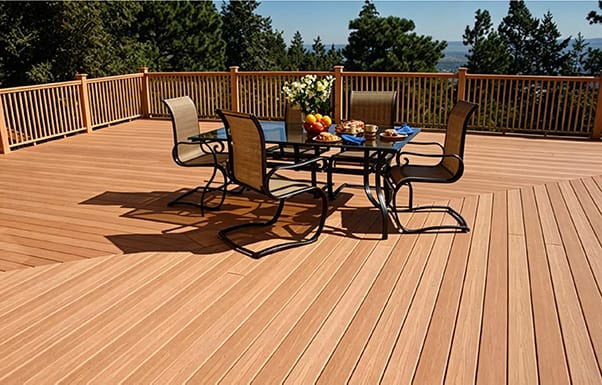
One of the reasons the WPC wall panel has become increasingly popular is its versatility. Different profiles, finishes, and installation systems allow the material to be used across a wide variety of architectural projects.
Residential Houses
Modern residential architecture frequently incorporates WPC wall panels to create attractive façades, feature walls, balconies, and entrance areas.
The combination of natural-looking textures and simplified maintenance makes composite wall cladding an appealing alternative to traditional timber.
Luxury Villas
Villa projects often emphasize premium exterior finishes and contemporary architectural details.
WPC wall panels can complement large glass façades, landscaped gardens, terraces, and outdoor living spaces while creating a consistent design language throughout the property.
Apartment Buildings
Multi-family residential developments require exterior materials that provide visual consistency across multiple units.
WPC wall panels offer flexible design options that can be integrated into balconies, corridors, entrance façades, and decorative architectural elements.
Commercial Buildings
Shopping centers, office complexes, and business parks frequently utilize WPC wall panels to create modern exterior appearances.
Their wide range of finishes enables designers to achieve distinctive architectural styles while maintaining efficient installation.
Hotels and Resorts
Hospitality projects often seek materials that combine attractive aesthetics with practical maintenance requirements.
WPC wall panels can be incorporated into hotel façades, outdoor lounges, poolside structures, reception areas, and landscape features to create inviting guest environments.
Restaurants and Cafés
Outdoor dining areas benefit from materials that provide a warm, natural appearance without requiring the frequent maintenance associated with traditional wood.
Composite wall systems help establish comfortable and visually appealing commercial spaces.
Educational Buildings
Schools, universities, and training centers increasingly adopt modern exterior materials that support contemporary architectural design.
WPC wall panels can be used for entrance features, covered walkways, and decorative façade elements.
Public Facilities
Municipal buildings, transportation hubs, cultural centers, and recreational facilities often incorporate composite wall cladding into renovation and new construction projects.
The variety of available profiles allows architects to match different design requirements.
Where Can Exterior WPC Wall Panels Be Installed?
Exterior WPC wall panels are suitable for numerous outdoor building components.
Building Façades
Exterior façades represent one of the most common applications for composite wall systems.
Proper installation with ventilation helps support long-term façade performance.
Balcony Walls
Balconies often require decorative materials capable of withstanding changing weather conditions while maintaining an attractive appearance.
WPC wall panels provide multiple design possibilities for residential and commercial balconies.
Garden Feature Walls
Landscape architects frequently integrate decorative composite panels into outdoor gardens, courtyards, and entertainment areas.
These installations create visual focal points that complement surrounding hardscape and planting designs.
Courtyard Decoration
Private courtyards and outdoor living spaces often utilize WPC wall panels to define seating areas and improve overall landscape aesthetics.
Commercial Entrance Areas
Entrance façades establish the first impression of a commercial property.
Composite wall systems can contribute to a clean, modern appearance while offering flexible design options.
Outdoor Recreation Areas
Parks, recreational facilities, and community gathering spaces may incorporate WPC wall panels into pavilions, shelters, and decorative structures.
Popular Surface Finishes of WPC Wall Panels
The surface finish plays an important role in both the visual appearance and tactile experience of a WPC wall panel. Different finishing techniques create distinct architectural styles suitable for various projects.
Wood Grain Finish
Wood grain remains one of the most popular decorative options because it closely resembles the appearance of natural timber.
It works well in residential architecture, villas, and hospitality projects where a warm aesthetic is desired.
Deep Embossed Finish
Deep embossing creates more pronounced grain patterns and adds visual depth to the panel surface.
This finish is often selected for premium architectural projects seeking a realistic wood-like appearance.
Brushed Finish
Brushed surfaces feature subtle linear textures that complement contemporary architectural styles.
Many designers prefer brushed finishes for office buildings, retail spaces, and modern residences.
Sanded Finish
Sanded finishes provide a refined, matte appearance with a softer visual effect.
They are commonly incorporated into minimalist architectural designs.
3D Texture Finish
Advanced manufacturing technologies allow manufacturers to produce textured surfaces with enhanced dimensional effects.
These finishes contribute to distinctive architectural façades and feature walls.
Common Colors Available for WPC Wall Panels
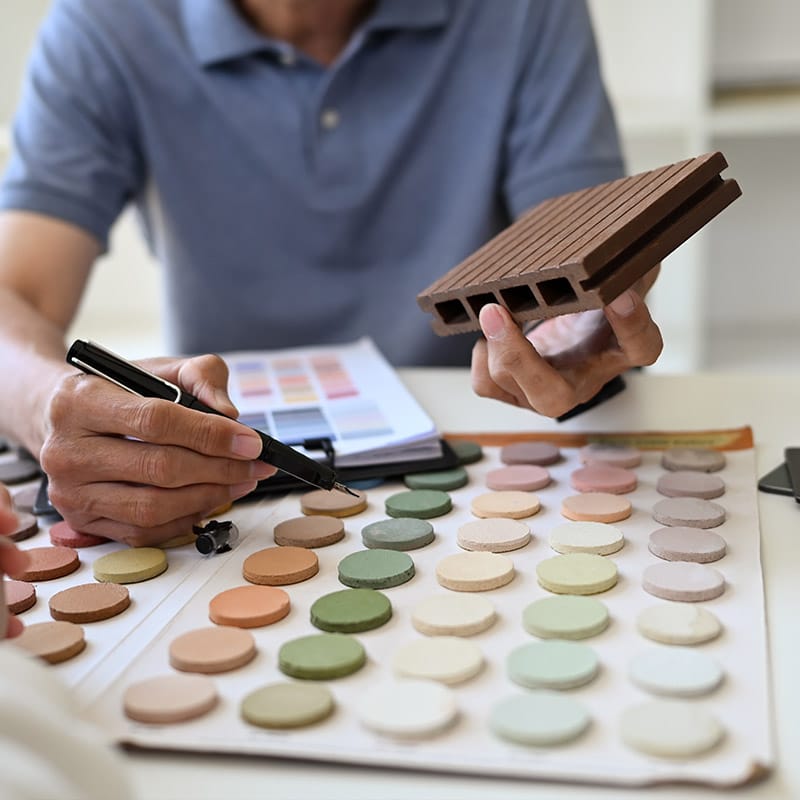
Color selection is another important consideration during project planning. While availability varies by manufacturer, several color families are widely used throughout the industry.
Natural Wood Colors
Natural wood-inspired colors remain popular because they create a timeless architectural appearance.
Examples include teak, walnut, oak-inspired tones, and other warm wood shades.
Grey Series
Grey finishes complement contemporary architecture and are frequently specified for commercial buildings and urban residential developments.
Charcoal and Black
Dark colors create bold architectural statements and are commonly paired with glass, aluminum, and stone façades.
Brown Series
Brown tones provide a balanced appearance suitable for gardens, villas, and traditional residential projects.
Customized Colors
Many manufacturers offer customized color development for large-volume projects or brand-specific architectural requirements.
Color customization may help maintain consistency across extensive commercial developments.
How Do Surface Finishes Affect Project Design?
Selecting an appropriate finish involves more than choosing a preferred appearance.
Visual Style
Different textures influence the architectural character of a building, from natural and traditional to modern and minimalist.
Lighting Effects
Surface texture can affect how sunlight interacts with the building façade, creating different visual impressions throughout the day.
Project Positioning
Luxury hospitality projects, commercial buildings, and residential developments often require different decorative approaches to match their design objectives.
Standard WPC Wall Panel Sizes and Profiles
Choosing the correct WPC wall panel size is just as important as selecting the right material. Panel dimensions influence installation efficiency, visual appearance, material utilization, and overall project planning. While specifications vary among manufacturers, understanding the common profile categories can help buyers communicate more effectively with suppliers.
Why Panel Dimensions Matter
The dimensions of a WPC wall panel affect not only the appearance of the finished wall but also the supporting framework, installation accessories, and transportation arrangements. Larger panels may reduce installation joints, while narrower profiles can create a more refined architectural effect.
Common Width Options
Manufacturers typically offer multiple panel widths to accommodate different design requirements. Wider panels can create a seamless appearance, whereas narrower panels are often selected for decorative feature walls or projects requiring more detailed visual patterns.
Common Thickness Options
Panel thickness generally depends on the intended application and profile structure. Exterior wall systems often require different structural considerations than interior decorative installations.
Standard Length Options
Many manufacturers provide standard production lengths while also supporting customized cutting for project-specific requirements. Selecting appropriate lengths can help reduce material waste during installation.
Typical WPC Wall Panel Profile Types
Beyond dimensions, the profile design also influences both aesthetics and installation performance. Different profile structures are developed for different architectural purposes.
Flat Profile
Flat profiles create a clean and minimalist appearance. They are widely used in modern commercial buildings and contemporary residential projects.
Grooved Profile
Grooved panels introduce linear shadow effects that enhance façade depth and visual interest. This style is particularly popular in modern architectural design.
Slatted Profile
Slatted WPC wall panels create a rhythm of light and shadow, making them suitable for feature walls, entrances, and decorative exterior façades.
Decorative Customized Profiles
For premium commercial developments or branded architectural projects, customized profile designs allow architects to achieve a unique visual identity while maintaining the advantages of composite materials.
Example of Common WPC Wall Panel Specifications
| Item | Description |
|---|---|
| Profile Structure | Hollow, Solid, Co-extrusion |
| Surface Finish | Wood Grain, Brushed, Embossed, Sanded |
| Color Options | Wood Tone, Grey Series, Charcoal, Brown, Customized |
| Installation Direction | Horizontal or Vertical |
| Typical Applications | Residential, Commercial, Hospitality, Public Buildings |
| Custom Production | Available according to project requirements |
Note: Actual dimensions and specifications vary by manufacturer and project requirements. Buyers should confirm detailed product drawings before placing bulk orders.
WPC Wall Panel vs Traditional Wood Cladding
When selecting an exterior cladding material, one of the most common questions is whether a WPC wall panel or traditional timber cladding is the better choice. Rather than identifying a universally superior material, it is more useful to compare their characteristics based on project requirements.
Appearance
Traditional wood offers unique natural grain patterns that many designers appreciate. WPC wall panels, on the other hand, are manufactured with engineered textures that provide a consistent appearance across large projects while still achieving a wood-inspired aesthetic.
Maintenance Requirements
Wood generally requires periodic maintenance to preserve its appearance over time. Depending on the species and installation environment, this may include painting, staining, or sealing.
WPC wall panels are typically selected by projects seeking lower routine maintenance while maintaining an attractive exterior finish.
Moisture Performance
Moisture is an important consideration for exterior applications. Properly designed WPC wall panel systems are commonly used in outdoor environments because composite materials are engineered for exposure to changing weather conditions.
Design Flexibility
Modern manufacturing allows WPC wall panels to be produced in numerous colors, textures, and profile designs, providing architects with broad design flexibility for different building styles.
WPC Wall Panel vs Traditional Wood Comparison
| Feature | WPC Wall Panel | Traditional Wood Cladding |
|---|---|---|
| Appearance | Consistent engineered finish | Natural wood grain |
| Maintenance | Generally lower routine maintenance | Regular maintenance may be required |
| Surface Options | Multiple textures and colors | Depends on wood species |
| Moisture Exposure | Designed for outdoor applications | Performance depends on wood type and treatment |
| Design Consistency | High manufacturing consistency | Natural variation between boards |
| Customization | Multiple profiles and finishes | Limited by available timber dimensions |
Co-Extrusion WPC Wall Panel vs Traditional WPC Wall Panel
As manufacturing technology continues to evolve, many buyers encounter two major product categories: conventional composite panels and co-extrusion composite panels. Understanding the difference helps ensure that the selected product aligns with project expectations.
What Is a Co-Extrusion WPC Wall Panel?
A co-extrusion WPC wall panel is manufactured by applying an additional protective layer around the composite core during the extrusion process. This outer layer is designed to improve surface durability while maintaining the structural advantages of the composite core.
What Is a Traditional WPC Wall Panel?
Traditional WPC wall panels consist of a single composite structure produced through the extrusion process. They remain a widely used solution for many residential and commercial projects.
Which Option Is Better?
Neither product is universally better than the other. The appropriate choice depends on environmental conditions, project budget, maintenance expectations, and architectural design objectives.
Projects with higher exposure to weather or increased demands on surface performance may consider co-extrusion products, while conventional WPC wall panels remain suitable for many standard applications.
Comparison Between Co-Extrusion and Traditional WPC Wall Panels
| Comparison Item | Co-Extrusion WPC Wall Panel | Traditional WPC Wall Panel |
|---|---|---|
| Manufacturing Process | Composite core with protective outer layer | Single composite extrusion |
| Surface Structure | Additional protective surface | Standard composite surface |
| Exterior Applications | Widely used | Widely used |
| Decorative Options | Multiple finishes available | Multiple finishes available |
| Maintenance Expectations | Depends on project conditions | Depends on project conditions |
| Typical Applications | Premium residential and commercial projects | Residential and commercial projects |
Key Benefits of Choosing a WPC Wall Panel
The popularity of the WPC wall panel continues to grow because it combines attractive appearance with practical performance. While every project has different priorities, several characteristics make composite wall systems a widely considered option in modern architecture.
Modern Architectural Appearance
WPC wall panels are available in a wide range of textures, colors, and profile designs that complement contemporary residential and commercial buildings.
Flexible Design Options
Architects can select from various panel profiles, installation directions, and decorative finishes to create different façade styles.
Suitable for Multiple Building Types
Composite wall systems can be incorporated into villas, apartments, office buildings, hotels, shopping centers, schools, and public facilities.
Consistent Manufacturing Quality
Engineered production processes help manufacturers produce panels with consistent dimensions and appearance, which can simplify large-scale installation projects.
Low Routine Maintenance
Compared with some traditional exterior materials, WPC wall panels are often selected by projects seeking simplified routine maintenance after installation.
How to Install a WPC Wall Panel
Proper installation is essential for achieving the desired appearance and ensuring long-term performance. While installation methods may vary depending on the panel design and project requirements, most WPC wall panel systems follow the same basic principles.
Before installation, always review the manufacturer’s technical documentation and installation recommendations for the selected product.
Prepare the Installation Surface
The supporting wall should be clean, stable, and structurally sound before installation begins.
For renovation projects, remove loose materials and repair uneven surfaces when necessary. A properly prepared substrate helps improve installation accuracy and overall appearance.
Install the Supporting Framework
Many exterior WPC wall panel systems use a supporting framework to create a ventilated cavity behind the panels.
Depending on the project design, the framework may consist of metal profiles or other suitable structural materials compatible with the installation system.
A properly aligned framework also helps ensure straight panel installation.
Plan Panel Orientation
Before fixing the first panel, determine whether the design calls for horizontal or vertical installation.
The installation direction influences the overall architectural appearance and should remain consistent throughout the project.
Leave Appropriate Expansion Gaps
Like many building materials, composite products may experience dimensional changes under different environmental conditions.
Providing appropriate expansion gaps according to the manufacturer’s recommendations allows the system to accommodate normal movement.
Install Panels with Compatible Accessories
Most WPC wall panel systems utilize dedicated clips, fasteners, trims, or connectors designed specifically for the product profile.
Using compatible accessories helps improve installation consistency while maintaining the intended appearance.
Complete Corner and Edge Details
Corners, transitions, window openings, and door frames should be finished using matching trims or compatible accessories.
Well-designed finishing details contribute to both aesthetics and weather protection.
Basic Components of a WPC Wall Panel Installation System
Although installation methods differ between manufacturers, many systems include similar components.
| Component | Primary Function |
|---|---|
| Wall Structure | Supports the entire installation system |
| Supporting Framework | Creates the installation base |
| WPC Wall Panel | Decorative exterior or interior surface |
| Fasteners or Clips | Secure the panels |
| Corner Trims | Finish external and internal corners |
| Edge Trims | Complete exposed panel edges |
| Ventilation Space | Supports airflow behind exterior cladding |
Common Installation Mistakes to Avoid
Even high-quality materials may not perform as expected if installed incorrectly. Understanding common installation issues can help reduce unnecessary rework.
Ignoring Ventilation Requirements
Exterior wall systems often benefit from adequate airflow behind the panels. Proper ventilation may help manage moisture and support overall façade performance.
Installing on an Uneven Framework
An uneven supporting structure can affect panel alignment and create inconsistent joint spacing.
Careful leveling before installation improves the finished appearance.
Using Incompatible Accessories
Fasteners, clips, and trims are designed to work with specific panel systems.
Using incompatible accessories may complicate installation and affect the final result.
Skipping Expansion Considerations
Providing sufficient space for normal material movement is an important part of many composite cladding systems.
Following the manufacturer’s installation recommendations helps ensure the system performs as intended.
Incorrect Panel Alignment
Small alignment errors at the beginning of installation may become more noticeable as the project progresses.
Checking alignment regularly during installation helps maintain a consistent appearance.
How to Choose the Right WPC Wall Panel
Selecting a WPC wall panel involves more than comparing colors or textures. Buyers should evaluate the product based on project requirements, installation conditions, and long-term objectives.
Consider the Installation Environment
Indoor feature walls, commercial façades, coastal developments, and residential projects each have different environmental conditions.
Choosing a panel designed for the intended application helps achieve better project results.
Evaluate Surface Design
The surface texture contributes significantly to the architectural style of a building.
Wood grain, brushed, embossed, and contemporary finishes each create different visual effects.
Review Available Profile Options
Different profile designs offer different installation characteristics and architectural appearances.
Comparing available profiles early in the design process helps simplify product selection.
Confirm Customization Capabilities
Many projects require customized colors, lengths, or profile designs.
Discussing customization requirements before production begins helps improve project planning.
How to Choose a Reliable WPC Wall Panel Manufacturer
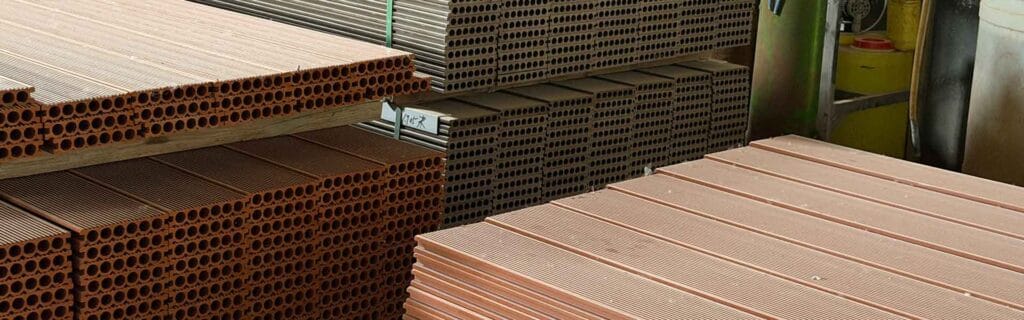
For wholesale buyers, distributors, and contractors, selecting the right manufacturing partner is just as important as selecting the right product.
Manufacturing Experience
Experienced manufacturers generally have more mature production processes and broader project experience across different markets.
Product Range
A supplier offering multiple WPC wall panel profiles, colors, accessories, and related products can simplify procurement for large projects.
OEM and ODM Services
Many international buyers require customized branding, packaging, or product specifications.
Manufacturers capable of supporting OEM or ODM projects may provide greater flexibility for long-term cooperation.
Quality Control
Understanding a supplier’s production management, inspection procedures, and quality control process helps buyers evaluate manufacturing consistency.
Technical Support
Project documentation, installation guidance, and product recommendations can improve communication between suppliers and customers throughout the purchasing process.
Questions to Ask Before Ordering WPC Wall Panels
Before placing a wholesale order, buyers often prepare a list of technical and commercial questions.
Typical questions include:
- Is this WPC wall panel designed for interior or exterior applications?
- Which installation accessories are recommended?
- Are customized colors available?
- Can profile dimensions be customized?
- What packaging options are provided?
- Are product samples available before mass production?
- Can matching trims and accessories be supplied together?
- What information is required before requesting a quotation?
Preparing these questions in advance can help improve communication and reduce misunderstandings during procurement.
Conclusion
A WPC wall panel offers architects, builders, distributors, and property owners a versatile solution for both interior and exterior wall applications. With a wide selection of profiles, finishes, colors, and installation systems, these composite panels can be adapted to residential, commercial, hospitality, and public building projects.
Choosing the right panel involves understanding the installation environment, comparing available profile options, evaluating surface finishes, and selecting a manufacturer capable of supporting your project’s technical and commercial requirements.
Whether you are planning a single building renovation or sourcing materials for large-scale wholesale distribution, investing time in product selection and supplier evaluation can contribute to a smoother procurement process and a more successful project outcome.
If you are looking for a reliable WPC wall panel manufacturer, prepare your project specifications, discuss your customization requirements, and request product samples before making a purchasing decision. Clear communication at the beginning of the project can help ensure that the selected products align with your design objectives and installation needs.
FAQ
What is a WPC wall panel?
A WPC wall panel is a composite cladding product made from wood fibers, plastic polymers, and additives. It is widely used for interior decoration and exterior wall applications.
Can WPC wall panels be used outdoors?
Yes. Many WPC wall panels are specifically designed for exterior projects such as building façades, garden walls, villas, and commercial buildings. Buyers should confirm that the selected product is intended for outdoor use.
Are WPC wall panels waterproof?
Different products are designed for different environments. Many exterior WPC wall panel systems are developed to perform in outdoor conditions, but product performance should always be confirmed with the manufacturer.
Can WPC wall panels be installed vertically?
Yes. Depending on the architectural design and installation system, WPC wall panels may be installed vertically or horizontally.
Are WPC wall panels suitable for commercial buildings?
Yes. They are commonly specified for hotels, shopping centers, office buildings, schools, and other commercial developments.
Do WPC wall panels require painting?
Most WPC wall panels are manufactured with finished decorative surfaces and generally do not require painting after installation.
Can I customize the color of a WPC wall panel?
Many manufacturers provide customized color options for projects that meet their production requirements.
What accessories are required for installation?
Typical installation systems may include clips, fasteners, trims, battens, corner profiles, and other compatible accessories, depending on the panel design.
How do I maintain a WPC wall panel?
Routine maintenance usually involves periodic cleaning and visual inspection. Maintenance requirements vary according to the installation environment and manufacturer recommendations.
What should I prepare before requesting a quotation?
Providing project information such as application, preferred profile, estimated quantity, color preference, installation location, and destination country can help suppliers prepare a more accurate quotation.