Table of Contents
For construction contractors and project procurement managers, purchasing building materials is not simply about finding the lowest price. It is about ensuring consistent quality, reliable delivery, long-term performance, and smooth installation.
When sourcing WPC decking, wall cladding, fencing, and ceiling panels for large construction projects, even a small material inconsistency can create significant problems.
A slight color difference between production batches may affect the appearance of an entire outdoor terrace. Inconsistent panel dimensions can delay installation. Unexpected weathering can lead to maintenance complaints. Poor supplier coordination can leave project managers struggling to resolve problems.
This is why choosing the right WPC supplier is one of the most important decisions in large-scale outdoor construction.
As a professional WPC manufacturer, Hengyuan WPC understands the challenges contractors, distributors, and project owners face when sourcing materials in bulk.
In this guide, we examine four common procurement risks and explain how better manufacturing control, product selection, and supplier coordination can help reduce uncertainty.
Key Takeaways: How to Reduce Risks in Bulk WPC Procurement
- Color consistency: Confirm color samples, product specifications, and batch identification before placing large WPC orders.
- Dimensional accuracy: Evaluate panel straightness, thickness, width, and manufacturing tolerances to reduce installation complications.
- Outdoor durability: Choose suitable WPC formulations and surface technologies based on UV exposure, moisture, and local climate conditions.
- Supplier accountability: Work with a manufacturer capable of coordinating multiple WPC product categories and providing technical support.
- Project planning: Confirm quantities, accessories, production schedules, and installation requirements before manufacturing begins.
Why Is Bulk WPC Procurement Riskier Than Small Orders?
Large construction projects require much more coordination than individual residential installations.
A commercial development may involve hundreds or thousands of square meters of decking, exterior cladding, decorative fencing, and ceiling panels. These products must arrive according to the construction schedule while meeting consistent design and technical requirements.
Unlike smaller orders, large-scale WPC procurement often involves several critical challenges.
Multiple Deliveries and Production Batches
Large projects may require materials to be delivered in stages. When additional quantities are ordered later, color variation or changes in manufacturing specifications can become more noticeable.
Without clearly documented product specifications and batch information, maintaining visual consistency can be difficult.
Strict Installation Schedules
Construction teams typically work according to established project timelines. Delayed materials, inaccurate dimensions, or missing accessories can interrupt installation and affect subsequent construction activities.
Long-Term Outdoor Exposure
WPC products installed in outdoor environments must withstand varying combinations of sunlight, rainfall, humidity, and temperature changes.
Product performance depends on material composition, manufacturing quality, installation methods, and environmental conditions.
Coordination Between Different Suppliers
Sourcing decking, cladding, fencing, and decorative panels from separate manufacturers can increase communication requirements.
When specifications conflict, identifying responsibility and arranging corrective action may become complicated.
Understanding these risks is the first step toward developing a more reliable procurement strategy.
Risk 1: Color Differences Between WPC Production Batches
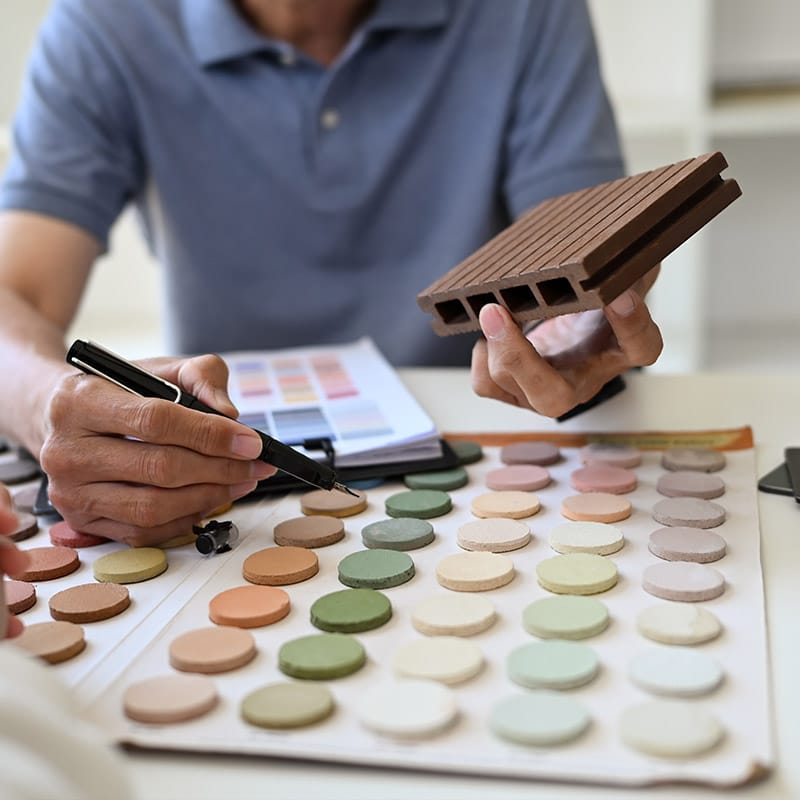
Color consistency is one of the most visible quality concerns in large WPC construction projects.
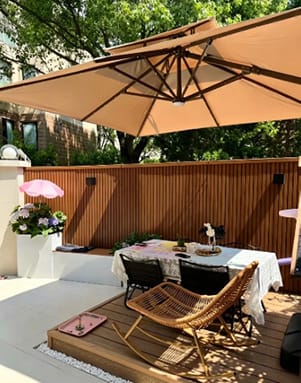
Imagine installing wood-look composite decking across a hotel terrace. The first shipment is installed successfully, but an additional order arrives several weeks later.
Although the new boards have the same nominal color, their appearance is slightly different.
Once installed, the difference becomes especially noticeable under natural sunlight.
For commercial projects, this inconsistency can affect the overall architectural appearance and may require additional material replacement.
Why Does WPC Color Variation Occur?
WPC products are manufactured using combinations of polymers, wood fibers or other plant-based fillers, pigments, and additives.
Color differences may result from several factors:
- Changes in pigment formulations or raw material characteristics
- Differences in production temperature or processing conditions
- Variations in surface treatment and wood-grain textures
- Different production batches or manufacturing equipment
- Natural weathering of previously installed materials
Even when boards share the same color reference, slight variations can occur between production runs.
How Hengyuan WPC Supports Color Consistency
At Hengyuan WPC, production planning and product specification control help support consistent appearance across bulk orders.
Our manufacturing capabilities include customizable colors, surface textures, and WPC profiles for different construction applications.
For project-based orders, we recommend confirming reference samples and documenting the selected product specifications before mass production.
Where available, coordinating production batches and retaining approved samples can help improve consistency when additional materials are required.
For projects involving several product categories, our team can also assist in selecting complementary finishes for decking, exterior cladding, fencing, and wall panels.
Procurement Tip: Confirm Samples Before Mass Production
Before approving a bulk WPC order, ask your manufacturer to confirm:
- Approved physical color and texture samples
- Product model and color reference
- Production batch identification and replacement-order arrangements
- Acceptable visual differences between batches
- Availability of reserve materials for future repairs or extensions
A clear color approval process helps reduce disagreements after delivery.
For coordinated outdoor flooring projects, explore our WPC Decking Products.
Risk 2: Inconsistent WPC Panel Dimensions and Installation Problems
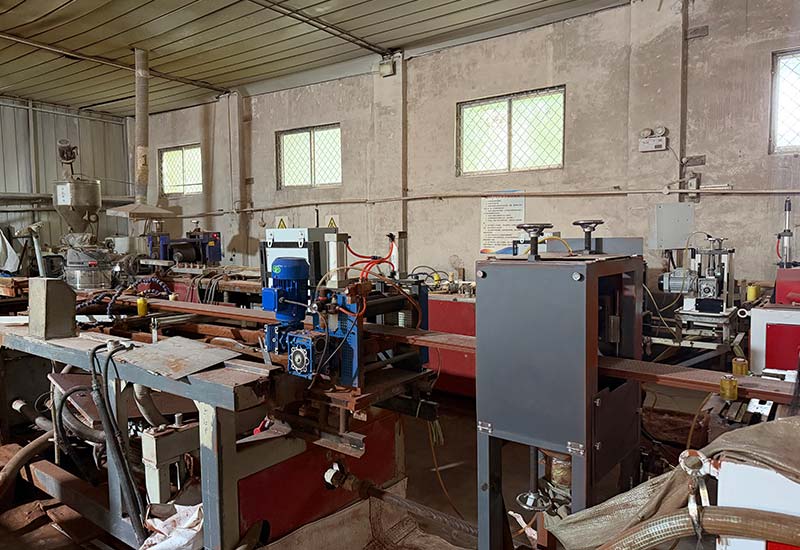
A WPC panel may look acceptable during a quick inspection, but dimensional inconsistencies can create serious problems during installation.
For example, differences in board width may lead to uneven joints. Excessive bowing or twisting can make cladding alignment difficult. Incorrect profile dimensions may prevent compatible clips or accessories from fitting properly.
These problems are particularly disruptive in commercial construction, where installation efficiency directly affects labor requirements and project schedules.
What Causes WPC Panel Deformation or Dimensional Variation?
Several factors influence the dimensional quality of extruded WPC products.
Extrusion process control: Temperature, material flow, and extrusion speed can influence profile shape and surface finish.
Cooling and calibration: Inadequate cooling or shaping control may contribute to unwanted deformation during manufacturing.
Material formulation: Polymer composition, filler content, and additives influence dimensional stability and mechanical behavior.
Storage and transportation: Improper stacking, unsupported handling, and excessive heat exposure may contribute to deformation before installation.
Thermal expansion: WPC products can expand and contract as temperatures change, making suitable installation gaps and fastening methods important.
How Hengyuan WPC Manages Manufacturing Quality
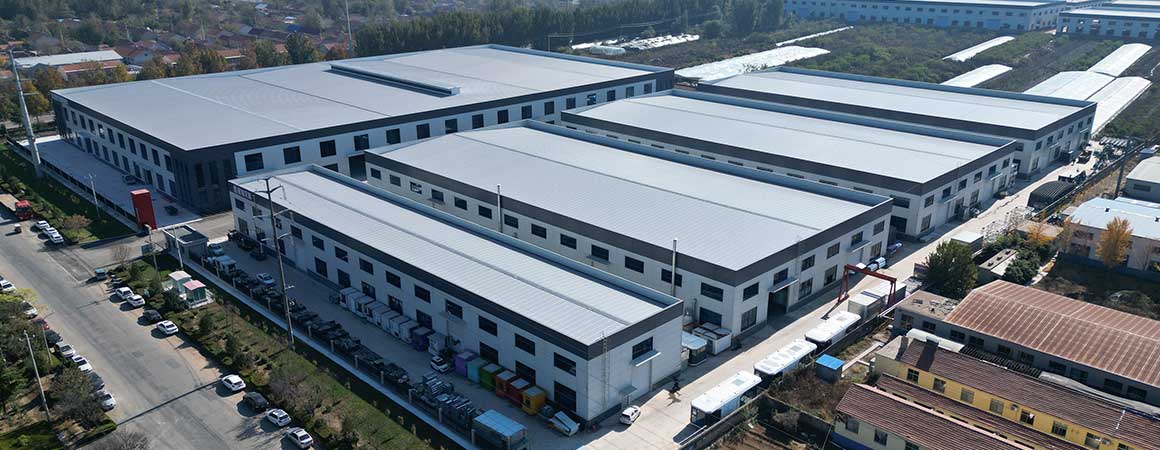
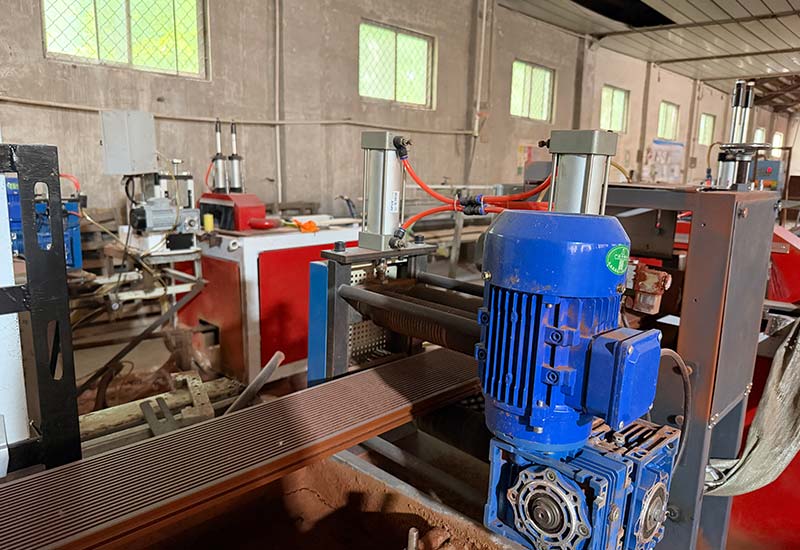
Hengyuan WPC integrates product development, profile manufacturing, and production inspection.
Our manufacturing process includes conventional extrusion and co-extrusion technologies, depending on the selected product.
Material preparation, profile dimensions, surface appearance, and finished-product conditions are checked during production.
We also support customized profile dimensions and surface finishes according to confirmed manufacturing capabilities and project requirements.
These manufacturing and inspection practices help improve product consistency and reduce avoidable installation difficulties.
However, correct installation remains essential. Even dimensionally consistent WPC products require suitable substructures, spacing, fastening systems, and allowances for thermal movement.
Procurement Tip: Request Technical Specifications
Before selecting a WPC manufacturer, confirm the following information.
| Technical Requirement | Why It Matters |
|---|---|
| Board width and thickness | Helps ensure consistent coverage and installation planning |
| Profile length | Supports accurate quantity calculations and material handling |
| Dimensional tolerances | Establishes acceptable manufacturing variation |
| Straightness and flatness requirements | Helps reduce visible alignment problems |
| Thermal expansion guidance | Supports suitable spacing and installation methods |
| Fastening and accessory compatibility | Reduces fitting problems during construction |
| Packaging and storage instructions | Helps protect products during delivery and site storage |
For projects requiring decorative exterior surfaces, explore Hengyuan’s WPC Cladding Products.
Risk 3: Choosing WPC Materials That Cannot Meet Outdoor Performance Requirements
Outdoor durability is another major concern in bulk WPC procurement.
When choosing materials for terraces, pool surroundings, garden walkways, commercial buildings, or exterior facades, initial appearance is only one consideration.
The materials must also be suitable for the environmental conditions they will experience throughout their service life.
What Can Affect the Outdoor Performance of WPC Products?
Outdoor WPC products are exposed to a combination of environmental stresses.
UV Exposure and Color Fading
Prolonged sunlight can change the appearance of some composite materials.
The degree of discoloration depends on pigment stability, surface protection, material formulation, and exposure conditions.
Moisture and Humidity
Although WPC products generally offer improved moisture resistance compared with many untreated wood products, their water absorption behavior varies by formulation and construction.
Proper drainage and ventilation remain important, especially in humid or rain-prone environments.
Temperature Changes
Outdoor temperature fluctuations can cause dimensional movement.
Suitable installation gaps and fastening arrangements help accommodate expansion and contraction.
Surface Contamination and Biological Growth
Dirt, pollen, standing water, and organic debris can accumulate on outdoor surfaces.
Under suitable environmental conditions, mold or mildew may develop on surface deposits, even when the underlying composite material is moisture resistant.
Regular cleaning and proper drainage can help reduce these problems.
How Co-Extrusion Technology Can Improve WPC Performance
One important technology used in modern composite products is co-extrusion.
In co-extruded WPC products, a protective outer layer is formed around a composite core during manufacturing.
Depending on the formulation and product design, this surface layer can help improve resistance to moisture, staining, UV exposure, and everyday wear.
Hengyuan WPC offers selected co-extruded products and profile options for outdoor construction applications.
Our product range includes decking and cladding profiles designed for different aesthetic and environmental requirements.
Rather than selecting materials based only on appearance, we recommend evaluating product specifications according to the intended installation environment.
Procurement Tip: Match WPC Materials to the Application
| Project Application | Important Selection Factors |
|---|---|
| Hotel terraces | Surface durability, appearance, drainage, maintenance |
| Poolside decking | Slip resistance, moisture exposure, drainage |
| Commercial walkways | Traffic conditions, structural support, wear resistance |
| Exterior wall cladding | Weather exposure, fastening, ventilation, thermal movement |
| Outdoor fencing | Wind loads, support spacing, UV resistance |
| Covered ceiling panels | Profile weight, fastening compatibility, installation environment |
Different WPC products may require different structural and installation considerations. Always confirm product suitability with the manufacturer before finalizing the material selection.
For outdoor flooring applications, view our WPC Decking Range.
Risk 4: Unclear Responsibility When Sourcing WPC Materials from Multiple Suppliers
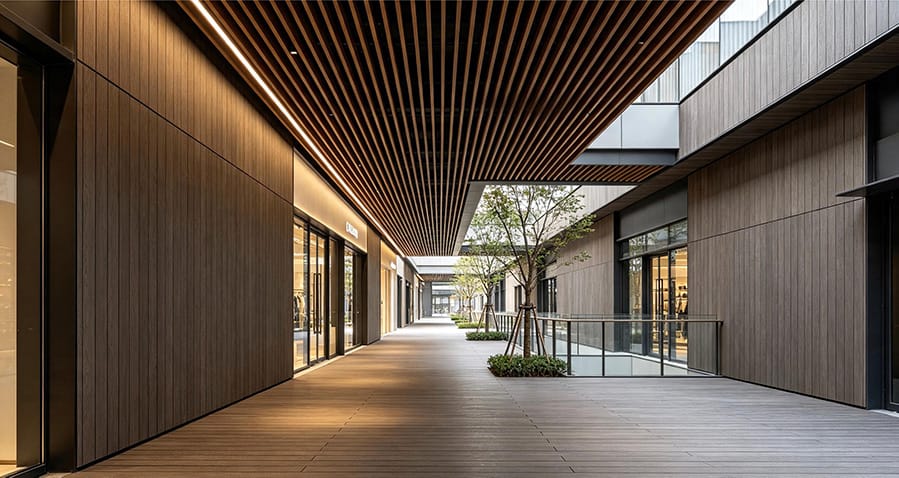
Large outdoor construction projects often require several types of decorative and functional building materials.
For example, a resort development may include:
- WPC decking for outdoor terraces and pedestrian areas
- Exterior cladding for building facades
- WPC fencing for privacy and landscape boundaries
- Wall and ceiling panels for covered outdoor spaces
When these products come from different suppliers, procurement teams must coordinate multiple specifications, production schedules, deliveries, and communication channels.
Problems become particularly difficult when products must connect or visually complement one another.
Why Can Multiple Suppliers Increase Procurement Complexity?
Consider a project where decking is purchased from one manufacturer and cladding from another.
If the colors do not coordinate, neither supplier may accept responsibility for the overall appearance.
Similarly, when installation accessories or profile dimensions are incompatible, the contractor may need to arrange additional materials or modify installation details.
These situations can create avoidable delays and administrative work.
How Hengyuan WPC Supports One-Stop Project Procurement
Hengyuan WPC manufactures several WPC product categories for residential, commercial, and landscape applications.
Our product range includes:
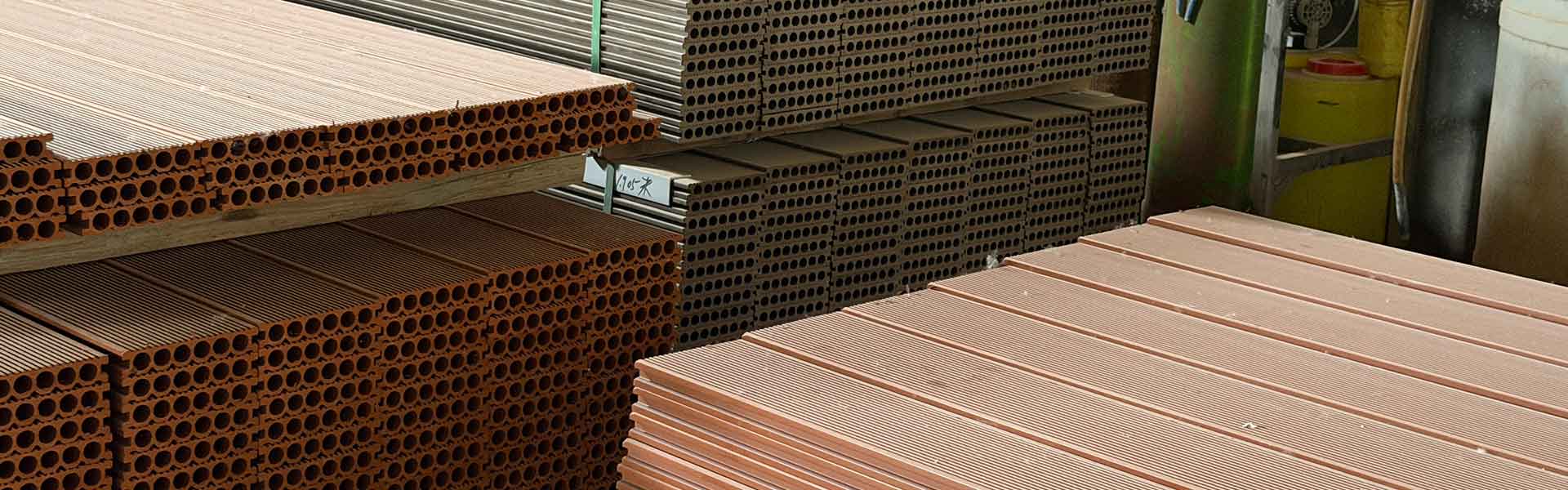
WPC Decking: Hollow, solid, embossed, and selected co-extruded decking profiles for outdoor flooring.
WPC Cladding: Exterior wall panels with different widths, textures, and decorative surface options.
WPC Fencing: Composite fencing profiles for residential boundaries, privacy applications, and landscape projects.
Wall and Ceiling Cladding: Decorative panel systems for interior and suitable covered-space applications.
By sourcing several product categories through one manufacturer, buyers can simplify product consultation, quotation requests, specification confirmation, and order coordination.
Hengyuan also supports OEM/ODM requirements, including selected custom dimensions, colors, surface finishes, and packaging options.
Product compatibility and matching accessories should still be confirmed for each project rather than assumed across every profile.
Procurement Tip: Establish a Clear Responsibility Matrix
Before placing an order, identify who is responsible for each stage.
| Procurement Stage | Responsibility to Confirm |
|---|---|
| Product selection | Manufacturer and project designer |
| Technical specifications | Manufacturer and procurement team |
| Sample approval | Buyer or authorized project representative |
| Quantity verification | Contractor and procurement team |
| Production scheduling | Manufacturer |
| Shipping coordination | Supplier and appointed logistics provider |
| Installation | Contractor or installation team |
| Quality claims | Parties responsible under the agreed contract |
A clearly defined approval and communication process makes procurement more predictable.
How to Choose a Reliable WPC Manufacturer for Large Projects
Selecting the right manufacturing partner involves more than comparing product catalogs.
An experienced procurement team should evaluate whether the supplier can meet the project’s technical, operational, and communication requirements.
The following checklist provides a practical starting point.
| Supplier Evaluation Criteria | Questions to Ask |
|---|---|
| Manufacturing capability | Does the supplier manufacture the required WPC profiles? |
| Product range | Can one supplier provide decking, cladding, fencing, and wall panels? |
| Quality control | How are product dimensions and appearance inspected? |
| Material options | Are conventional and co-extruded WPC profiles available? |
| Customization | Can dimensions, finishes, and packaging be customized? |
| Sample confirmation | Can samples be approved before mass production? |
| Production planning | Can the supplier coordinate quantities and delivery stages? |
| Installation support | Are installation instructions and technical recommendations available? |
| After-sales communication | How are product questions and quality concerns handled? |
Why Direct Manufacturer Communication Matters
Working directly with a WPC manufacturer can simplify technical discussions.
Instead of passing questions through several intermediaries, procurement teams can communicate manufacturing and customization requirements more directly.
This is particularly useful when projects involve nonstandard dimensions, special surface finishes, multiple product categories, or scheduled bulk deliveries.
Hengyuan WPC combines manufacturing capabilities with project consultation and installation guidance to support buyers throughout the purchasing process.
Learn more about our capabilities on the About Hengyuan WPC page.
A Practical 5-Step WPC Procurement Process for Large Projects
A structured purchasing process can reduce unexpected problems before materials arrive on-site.
Step 1: Share Project Drawings and Material Requirements
Provide the manufacturer with relevant drawings, estimated installation areas, product applications, and target delivery schedules.
Include environmental conditions and any special architectural requirements.
Step 2: Select Suitable WPC Products
Compare decking, cladding, fencing, and decorative panel options based on their intended applications.
Confirm the required dimensions, colors, surface textures, installation methods, and relevant performance specifications.
Step 3: Review and Approve Samples
Request physical samples where practical.
Check their appearance, profile dimensions, and suitability for the project design.
Approved samples should serve as documented references during production and delivery inspections.
Step 4: Confirm Production and Delivery Arrangements
Before production begins, confirm quantities, product references, accessory requirements, packaging, and the agreed delivery schedule.
For projects requiring multiple shipments, discuss production batch arrangements and potential replenishment requirements in advance.
Step 5: Inspect Materials and Coordinate Installation
Check delivered materials against the approved order specifications.
Follow the relevant manufacturer’s installation instructions and ensure suitable handling, storage, and expansion allowances.
Early communication between procurement managers, suppliers, and installation teams can prevent small discrepancies from becoming larger project problems.
Frequently Asked Questions About Bulk WPC Procurement
1. How Can I Ensure Consistent Color When Ordering WPC Decking in Bulk?
Start by approving physical samples and documenting the product’s color reference, surface finish, and specifications. Discuss production batch arrangements with the manufacturer and consider ordering a reasonable quantity of spare materials for future replacements. Exact color matching between separate production runs cannot always be guaranteed.
2. Is Buying Directly from a WPC Manufacturer Better for Large Projects?
Direct sourcing can provide advantages such as easier technical communication, product customization, and coordinated production planning. However, buyers should still verify manufacturing capabilities, quality control procedures, production schedules, and contractual responsibilities before placing orders.
3. What Is the Difference Between Traditional WPC and Co-Extruded WPC?
Traditional WPC generally consists of a composite material with an exposed surface, while co-extruded WPC incorporates an additional protective outer layer. Depending on the formulation, co-extruded products may offer improved resistance to staining, moisture, and UV-related appearance changes.
4. Can One Manufacturer Supply WPC Decking, Cladding, Fencing, and Ceiling Panels?
Yes. Manufacturers with multiple product lines, including Hengyuan WPC, can supply several types of WPC profiles for outdoor and architectural applications. Buyers should confirm product availability, color coordination, fastening compatibility, and installation requirements for each selected system.
5. What Quality Checks Should Be Completed Before Bulk WPC Products Are Shipped?
Important checks include profile dimensions, surface appearance, color consistency against approved samples, visible deformation, product quantity, packaging condition, and accessory completeness. Additional performance testing may be appropriate depending on the product and project requirements.
6. How Long Does Bulk WPC Production Take?
Production lead times depend on order quantity, profile selection, customization requirements, manufacturing capacity, and scheduling. Standard products may have shorter production schedules than customized profiles. Confirm the lead time and delivery arrangement with the manufacturer before finalizing the purchase order.
7. What Information Should I Send to a WPC Supplier for a Project Quotation?
Provide the required product categories, profile dimensions, estimated quantities, preferred colors, application environment, project destination, and delivery requirements. Construction drawings and relevant installation details can help the manufacturer recommend suitable products and prepare a more accurate quotation.
Conclusion: Reliable WPC Procurement Starts with the Right Manufacturing Partner
Successful construction procurement should not depend on luck.
For large outdoor projects, consistent product specifications, reliable manufacturing processes, appropriate material selection, and clear communication are essential to controlling procurement risks.
Whether you are sourcing WPC decking for a hotel terrace, exterior cladding for a commercial building, or fencing and decorative panels for a landscape development, choosing a capable manufacturer can help simplify the purchasing process.
At Hengyuan WPC, we focus on providing practical wood-plastic composite solutions for contractors, distributors, and project owners.
Through our WPC product range, manufacturing capabilities, customization options, and technical support, we help buyers plan their material requirements with greater confidence.
Start Your WPC Project with Hengyuan
Planning a commercial outdoor project or looking for a reliable manufacturer for bulk WPC procurement?
Share your project drawings, product specifications, estimated quantities, and application requirements with Hengyuan WPC.
Our team can assist with product selection, sample requests, customization options, and project quotations.
Contact Hengyuan WPC
- WhatsApp / Phone: +86 135 0896 3057
- Email: leesiwan02@gmail.com
- Website: www.hywpclife.com
- Project Inquiries: Contact Hengyuan WPC
Hengyuan WPC — Your Manufacturing Partner for Reliable Outdoor WPC Solutions.