Researching wood plastic composite floor board for a deck specified with solid or M-type boards? Texture changes the way a surface catches light and holds visible dust. Deep grain, fine brushing and ripple profiles produce different effects at normal viewing distance.
The decision behind wood plastic composite floor board
This guide focuses on choosing texture beyond the catalog photo for solid and m-type decking. Compare the exposed texture and the contact surfaces underneath. A decorative surface option should not obscure differences in the supporting geometry. Use the following review to turn a broad search for wood plastic composite floor board into a specification that can be checked.
Start with the application
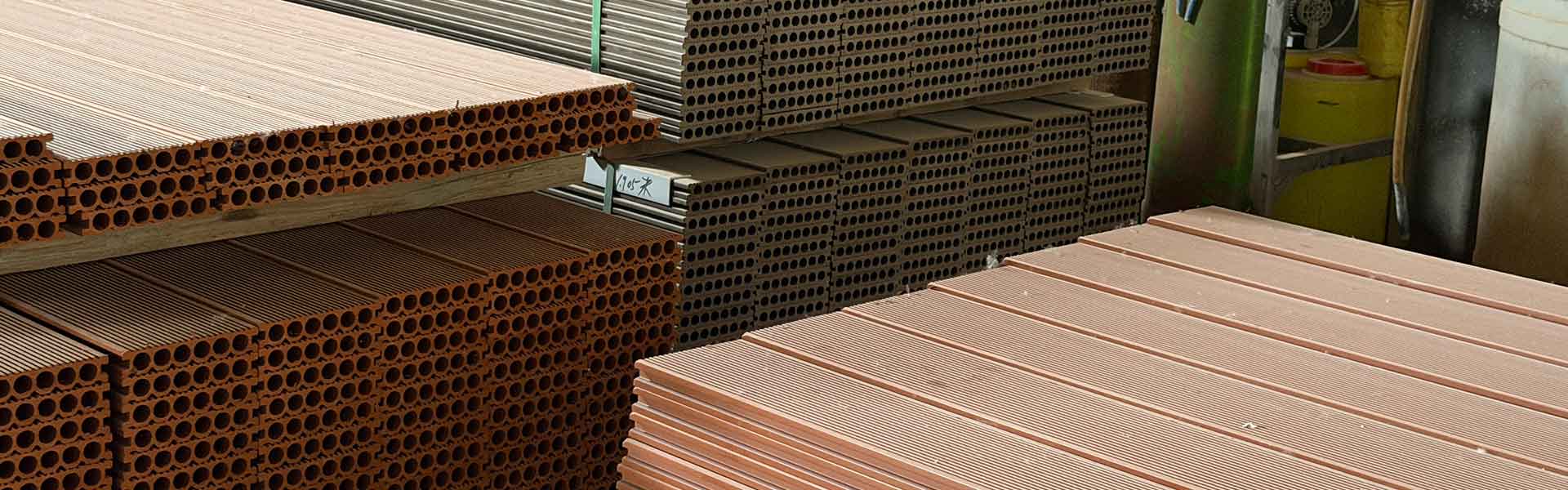
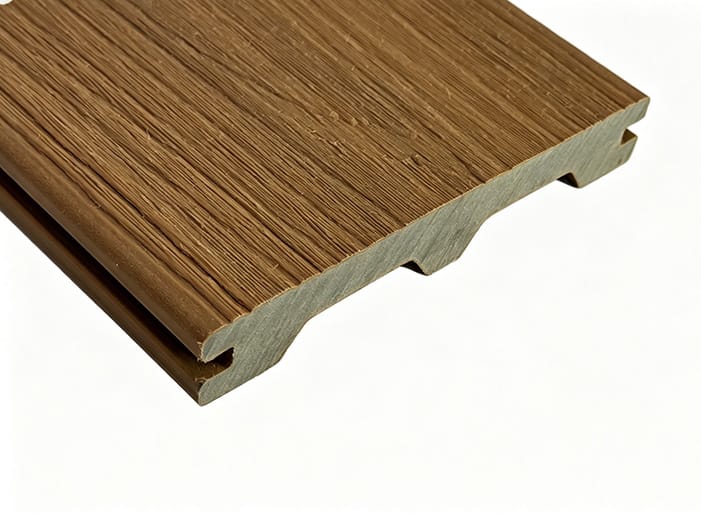
Solid and M-type profiles should be compared as different cross-sections. A solid board contains material through its core; an M-type underside has a shaped geometry. Neither description alone establishes the allowable span, stair use or fastening schedule. Those decisions depend on the actual profile and supporting assembly. Check the underside, fixing groove and bearing surfaces together. A heavier board may change handling and delivery planning without removing the need for correct supports. Where equipment or furniture creates concentrated loads, supply the loading information to the designer and manufacturer before selecting a profile.
Practical checks for wood plastic composite floor board
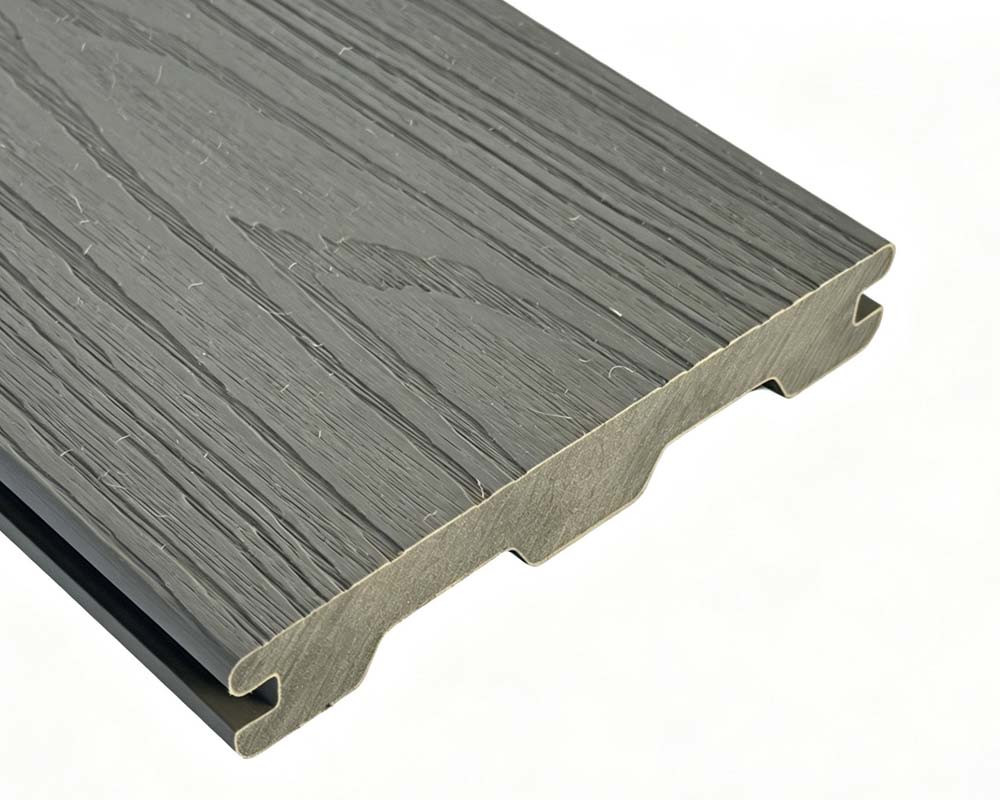
Examine the finish both close up and from the distance at which it will usually be seen. Check directionality, repeated grain patterns and how cut edges will appear. For walking surfaces, request relevant performance evidence instead of inferring slip resistance from a rough-looking texture. Keep the outcome with the wood plastic composite floor board enquiry so that the supplier and installer work from the same information.
- Full-size texture sample
- Orientation marked
- Performance claims supported
A worked planning example
In a hypothetical sample wall, alternating the same directional panel can create light and dark bands. Lay out several pieces in the intended orientation before deciding that the color is inconsistent. Apply that reasoning to a deck specified with solid or M-type boards; the example is illustrative and is not a Hengyuan quotation, test result or installation dimension.
Compare wood plastic composite floor board proposals
When comparing wood plastic composite floor board, use evidence that answers the same question for each option. The table below shows what makes a proposal ready for review.
| Review item | Incomplete proposal | Decision-ready proposal |
|---|---|---|
| Full-size texture sample | Close-up photograph only | Full-size samples assessed from normal viewing distance |
| Orientation marked | Cleaning needs ignored | Care method reviewed for the selected surface |
| Performance claims supported | Grip inferred from visible grooves | Relevant walking-surface evidence requested where needed |
Check the actual product
Hengyuan lists M-Type Heavy-Duty ASA WPC Decking and M-Type Premium ASA WPC Decking among the relevant product options. For wood plastic composite floor board, use those product pages to identify candidates, then request the current drawing, finish sample and application guidance. Choose the finish for the application and maintenance routine. Surface appearance can guide aesthetics, but it cannot establish a tested safety characteristic.
Avoid an unsupported assumption
Product labels such as economy, premium or heavy-duty are not substitute engineering values. Do not transfer support spacing between those variants. Match the installation drawing and available test evidence to the model named on the purchase order. When researching wood plastic composite floor board, distinguish verified product information from assumptions that still need project approval.
Prepare your wood plastic composite floor board enquiry
Send Hengyuan the measured layout, intended use and the specific question about wood plastic composite floor board described here. Include the preferred profile, finish, quantity and delivery destination. Ask which details remain open before requesting a final quotation. Keep the written response with the approved drawing so the next reviewer can trace the decision.
Frequently asked questions
Does a deeper texture automatically perform better?
No. Texture affects appearance and cleaning; application performance must be assessed using appropriate product evidence and the actual installation conditions.
What should I check first for solid and m-type decking?
Compare the exposed texture and the contact surfaces underneath. A decorative surface option should not obscure differences in the supporting geometry.
Can a catalog description replace project approval?
Product labels such as economy, premium or heavy-duty are not substitute engineering values. Do not transfer support spacing between those variants. Match the installation drawing and available test evidence to the model named on the purchase order.
What evidence should accompany a wood plastic composite floor board enquiry?
For wood plastic composite floor board, request full-size texture sample, orientation marked, performance claims supported. Keep the selected profile and project conditions with that evidence.
How can Hengyuan help with the next step?
Share the layout and ask about M-Type Heavy-Duty ASA WPC Decking. Hengyuan describes product consultation, customization and installation guidance on its website; confirm the scope, availability and timing for your order.
Request a project-specific recommendation using the form below. Include drawings or dimensions, preferred finish, quantity and delivery location.